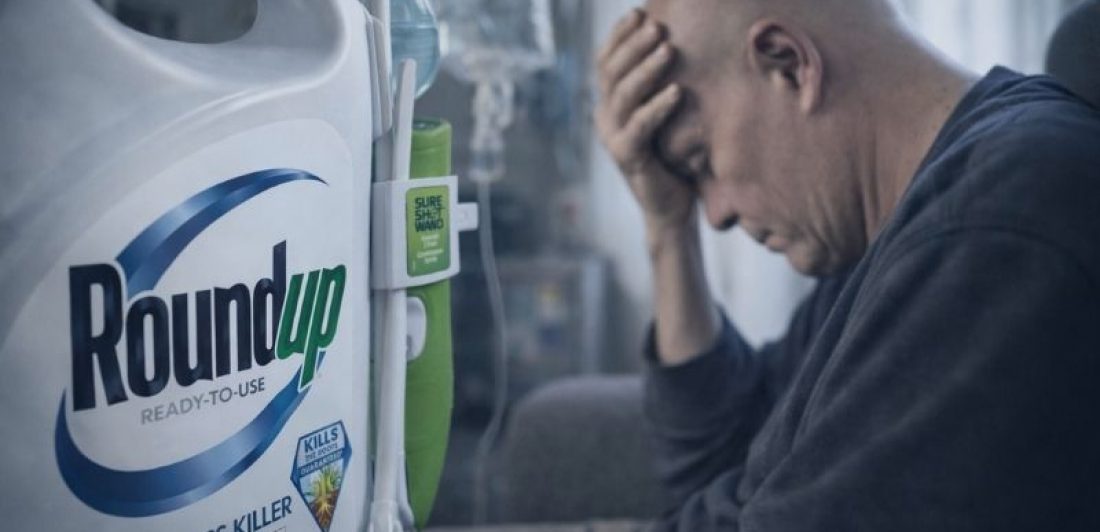
A proposed $7.25 billion settlement involving Roundup is drawing renewed attention to product liability litigations in the country. The agreement, involving Bayer, is intended to address thousands of claims alleging that exposure to glyphosate may be linked to cancer.
While the settlement represents a major development, it does not end the litigation. For many individuals and families, it raises important questions about eligibility and compensation along with available legal options.
Bayer Proposes $7.25 Billion Roundup Settlement
In early 2026, Bayer announced a proposed $7.25 billion agreement with the intention to resolve a large number of Roundup-related lawsuits. The company acquired Roundup through its purchase of Monsanto, which had manufactured and marketed herbicide for decades.
Most of the lawsuits allege that long-term exposure to glyphosate may be associated with non-Hodgkin’s lymphoma, a cancer affecting the lymphatic system. Plaintiffs claim that Monsanto – and later Bayer – failed to provide adequate warnings about potential risks.
The proposed settlement is structured to:
- Address a large portion of pending claims
- Create a framework for resolving future cases
- Distribute compensation over an extended period
However, the agreement is not yet final. Courts must still review and approve the terms before payments can begin for the Roundup lawsuit settlement.
Understanding the Scope of the Roundup Lawsuit Settlement
Roundup litigation has developed over several years and involves many claims throughout the United States. Important factors driving the litigation include:
- Long-term exposure among agricultural workers, landscapers and homeowners
- Widespread use of the product in residential and commercial settings
- Scientific debate over the safety of glyphosate
Many plaintiffs allege repeated exposure over years or even decades before receiving a cancer diagnosis. In some cases, individuals report using Roundup regularly as part of their occupation. This widespread exposure is one reason the litigation has grown into a large-scale mass tort rather than a single class action case.
What Injuries Are Alleged in Roundup Lawsuits
The primary injury alleged in the Roundup lawsuit settlement is non-Hodgkin’s lymphoma (NHL). According to the American Cancer Society, this group of cancers affects white blood cells and the immune system. Symptoms associated with NHL may include:
- Swollen lymph nodes
- Fatigue
- Unexplained weight loss
- Persistent infections
In Roundup cancer lawsuit claims, plaintiffs generally allege that they were exposed to glyphosate through regular use and later developed NHL or a related condition. They also allege that exposure may have contributed to their diagnosis.
It is important to note that not every individual exposed to Roundup develops cancer. Each case is unique and requires careful review of factors like medical history and exposure timeline.
How the Roundup Lawsuit Settlement May Compensate Claimants
The proposed Bayer Roundup settlement outlines a system for distributing compensation based on individual circumstances. Factors that may influence compensation include:
- Severity and progression of illness
- Impact on the individual’s ability to work
- Age at diagnosis
- Duration and frequency of exposure
Some claims may involve higher compensation where individuals experienced more severe or long-term effects. Others can fall into different tiers based on medical and exposure evidence. Because of this structure, no single payout amount applies to all claimants.
Why the Settlement Does Not End All Roundup Claims
The $7.25 billion agreement is substantial, but it does not resolve all legal issues related to Roundup. The widespread nature of this settlement is made apparent with documents like OEHHA Prop 65, which explains that California regulators have listed glyphosate as a chemical known to the state to cause cancer.
There are several factors contributing to ongoing litigation with the glyphosate lymphoma claims, including:
- Court approval is still required
- New claims may continue to be filed
- Some individuals may choose not to participate in the settlement
Roundup litigation has already involved multiple settlements and verdicts over time. This latest Roundup lawsuit settlement represents another phase in a continuing legal process rather than a final resolution.
Ongoing Legal Questions in Roundup Cases
Even with the proposed Roundup lawsuit settlement in place, courts continue to evaluate important legal questions, like:
- Whether manufacturers provided sufficient warnings about potential risks
- What standards apply to future claims involving glyphosate exposure
- How federal pesticide regulations interact with state law claims
These issues may influence how courts handle similar product liability cancer claims moving forward.
How Roundup Lawsuits Relate to Product Liability Law
Roundup litigations fall under product liability law, which addresses situations where a product may cause harm due to defects or inadequate warnings. In these claims, plaintiffs may allege:
- Failure to warn about known or foreseeable risks
- Misrepresentation of a product’s safety profile
- Negligence in product safety or labeling
To pursue a product liability claim, the individual typically needs to demonstrate exposure to the product, a qualifying injury and a potential connection between the two. This legal framework is commonly used in cases involving chemicals and pharmaceuticals.
Who May Be Eligible to File a Roundup Lawsuit
With dangerous chemical exposure cases across the United States, the question of eligibility has become more common. Individuals may be eligible to explore a claim if they:
- Used Roundup over an extended period
- Had regular exposure through work or home use
- Were later diagnosed with non-Hodgkin’s lymphoma or a related condition
The factors in a case vary, so eligibility can also depend on when the diagnosis occurred and whether the claim falls within applicable time limits. Available documentation of exposure and medical history can also influence eligibility. An attorney can help determine whether a claim may exist.
Challenges in Roundup Cancer Claims
Despite the scale of the litigation, these cases can be complicated. Common challenges include:
- Establishing long-term exposure
- Demonstrating a connection between exposure and illness
- Addressing scientific arguments
Potential plaintiffs must consider whether to participate in a Roundup lawsuit settlement or pursue an individual personal injury claim. Each option may involve different timelines, requirements and possible outcomes.
What This Settlement Means Going Forward
The proposed Roundup lawsuit settlement of $7.25 billion highlights the ongoing importance of product safety and transparency in consumer products. For anyone that suspects they might have non-Hodgkin’s lymphoma from Roundup, it may signal:
- Ongoing opportunities to explore claims
- The importance of understanding available legal options
- Continued legal scrutiny of glyphosate-based products
Because litigation is still developing, future rulings and settlements may continue to shape how these claims are handled.
Speak With The Carlson Law Firm
If you or a loved one were diagnosed with non-Hodgkin’s lymphoma after using Roundup, especially regularly, you may have the right to explore your legal options. An attorney at The Carlson Law Firm can review your exposure history and evaluate whether you may qualify for a claim.
The Carlson Law Firm has experience with complex product liability cases, including those involving chemical exposure. Our team can explain how settlements or lawsuits may apply to your case. Scheduled a free consultation with The Carlson Law Firm and speak with a product liability lawyer today.