Texas Jury Awards $61M in Products Liability Case Against Honda After Car Wreck |
Home - Practice Areas - Wildfire
A wildfire is an uncontrolled fire that burns wildland vegetation—most often in rural areas. However, while wildfires can burn in forests, grasslands, deserts and other ecosystems, they aren’t limited to any one type of environment.
Even though most wildfires start in rural areas, they can quickly spread to more populous residential areas. Homeowners living in wildfire-prone areas can reduce some risks by learning how to prepare for wildfires before fire season begins.
When these out of control burns spread to residential areas, they devastate not only wildlife and natural areas but also the people, homes and businesses in nearby communities.
According to the National Park Service, 85% of wildfires are caused by humans. Studies show human carelessness is not only the majority cause of wildfires, but it also accounts for doubling the length of wildfire season.
During periods of elevated fire danger, Texas burn bans are intended to reduce preventable fires. Often, humans cause wildfires from the following:
One of the questions we’re often asked is: How can a utility company be held responsible for damages caused by a wildfire? In fact, a utility company may be held accountable through a wildfire lawsuit if a blaze is caused by the following:
If you’re hesitant to consider a lawsuit after an uncontrolled blaze, it’s important that you understand that your homeowners or renters insurance or even FEMA, may not cover all of the expenses you incurred.
Often, bodily injury that you or a loved one suffered is not recoverable through traditional means. In addition, through these avenues, you may not even be able to recover the full cost of the property you lost. By contacting a Wildfire Lawyer, you may be able to recover the following:
Many families don't realize that there are several options available to help them recover after a wildfire. Learning more about wildfire damage claims may help you better understand what compensation could be available through insurance or legal action.
FEMA is for those individuals and businesses that either have no insurance or are severely underinsured. According to Carlson Law Firm Wildfire Lawyer Bill Rossick, unless you are certain your insurance covers all your losses, you should apply for FEMA.
If you qualify, FEMA provides cash financial assistance to individuals up to $32,000—depending on the number of homeowners or renters insurance you have. Businesses that have suffered losses in a fire can apply for low-interest disaster loans.
Homeowners or renters who carry insurance may be able to file a claim with their insurance providers. However, often, what is covered is limited.
As mentioned above, electric providers, railroad companies and other businesses whose negligence contributed to a wildfire may be held accountable. Understanding how to prove negligence can help explain how liability is established in wildfire claims.
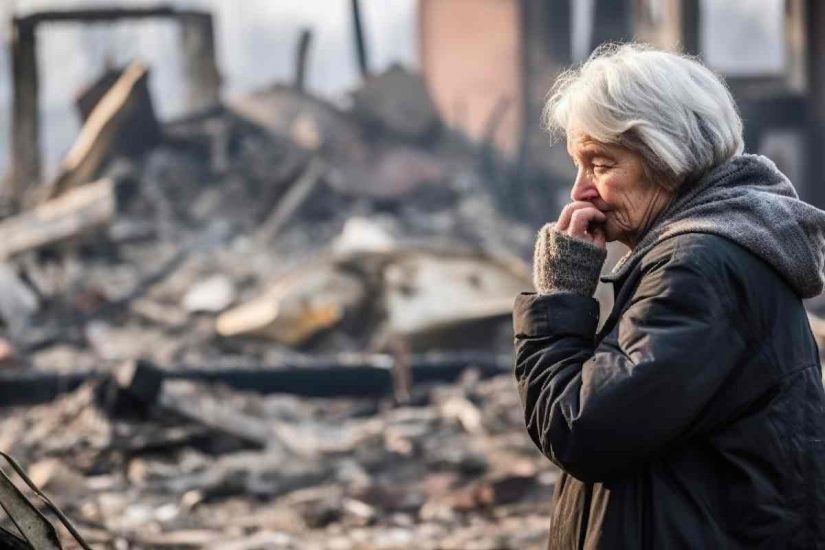
Creating a detailed home inventory is crucial for filing insurance claims after a wildfire. Here’s how to do it:
Download our inventory spreadsheet to get started on ensuring the insurance company covers all of your belongings. Learning more about legal help for wildfire victims may help you better understand your options before speaking with an attorney.

Wildfire recovery often involves more than one challenge. The following resources provide additional information about wildfire preparedness, property damage, smoke exposure and legal recovery options.
With over a dozen locations throughout Texas, there’s a Carlson Law Firm near you. We have law offices located in Killeen, Temple, Waco, Round Rock, Austin, San Antonio, San Angelo, Kerrville, Laredo, Bryan, Lubbock, Midland, Wichita Falls and Corpus Christi.