
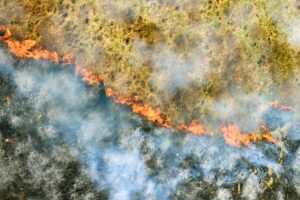
Wildfires continue to affect communities across the United States, destroying homes, businesses and thousands of acres of land each year. While wildfires are often associated with western states, these disasters can occur anywhere with dry conditions and high temperatures.
Beyond the immediate destruction caused by a fire, property owners can face additional challenges like insurance claims and temporary housing. Even people located far from an active fire may experience health effects from wildfire smoke that can impact air quality for days or weeks.
Understanding what to do after a wildfire and what resources may be available can help property owners through the recovery process.
Wildfires Continue to Impact Communities Nationwide
According to the National Interagency Fire Center, 64,897 wildfires burned nearly 8.9 million acres across the United States in 2024. Wildfires can damage homes, businesses, infrastructure and natural resources while forcing families to evacuate with little notice.
Several factors have contributed to increased wildfire risks in recent years, including:
- Drought conditions
- High temperatures
- Strong winds
- Dry vegetation
- Expanding development near wildfire-prone areas
As wildfire activity continues to affect communities throughout the country, preparation and recovery remain important for property owners.
States That Experience the Most Wildfires
Certain states consistently experience higher wildfire activity because of climate conditions, vegetation patterns and population growth in wildfire-prone areas. According to the Insurance Information Institute, California and Texas continue to rank among the states with the largest number of wildfires annually.
Many communities also implement burn bans during periods of elevated wildfire danger to reduce the risk of preventable fires. These restrictions can help limit outdoor burning activities when conditions make fire spread more likely.
What Should You Do After a Wildfire Damages Your Property?
Recovering from a wildfire can feel overwhelming. Taking a few important steps early may help protect your property rights and support future insurance or disaster assistance claims.
Document the Damage
Photograph and video all visible damage as soon as it is safe to do so. Detailed documentation can help establish the extent of losses.
Contact Your Insurance Company
Notify your insurance carrier as soon as possible and begin the claims process. Be sure to keep records of all communications, claim numbers and documentation submitted.
Save Receipts and Expenses
Temporary housing, emergency repairs and other disaster-related expenses could be important to document during recovery.
Follow Local Emergency Guidance
Return to damaged areas only when local authorities determine it is safe to do so.
Can FEMA Help After a Wildfire?
In some situations, federal disaster assistance could be available following a federally declared disaster. The Federal Emergency Management Agency (FEMA) may provide assistance for eligible individuals and families experiencing losses related to:
- Temporary housing
- Essential home repairs
- Personal property losses
- Other disaster-related expenses
Eligibility requirements vary depending on the disaster declaration and individual circumstances. Property owners can learn more through FEMA's disaster assistance resources.
When Can Wildfire Litigation Help?
While some wildfires occur because of natural causes, others may result from human error, equipment failures or negligence. Examples may include:
- Utility equipment failures
- Negligent maintenance
- Improperly managed controlled burns
- Defective products
- Violations of safety regulations
When negligence contributes to a wildfire, affected property owners may want to know if wildfire damage claims or other legal options may be available.
Common Losses Associated With Wildfires
Wildfires can create a wide range of losses that extend beyond the destruction of structures. Potential damages may include:
- Property damage
- Business interruption losses
- Temporary relocation expenses
- Cleanup and remediation costs
- Personal property losses
- Medical expenses related to injuries
- Environmental damage
The extent of losses usually depends on the severity of the fire and the circumstances surrounding the event.
Wildfire FAQ:
Can FEMA help after a wildfire?
FEMA may provide assistance to eligible individuals and families after a federally declared disaster. Available aid depends on program requirements and the circumstances of the disaster.
What should I do immediately after wildfire damage?
Property owners should document damage, contact their insurance company, preserve receipts and follow instructions from emergency officials before returning to affected areas.
Does homeowners insurance cover wildfire damage?
Coverage depends on the specific policy. Many homeowners insurance policies provide coverage for fire-related losses, but exclusions and limitations can apply.
Can I file a lawsuit after a wildfire?
In some situations, individuals and property owners may have legal options if negligence contributed to the fire or resulting damages.
Can wildfire smoke affect people far from the fire?
Yes. Smoke from large wildfires can travel hundreds of miles and may affect air quality in communities located far from the active fire.
Understanding Your Legal Options After a Wildfire
Recovering from a wildfire often involves more than rebuilding damaged property. Insurance claims, disaster assistance programs and potential liability issues can create more challenges during an already stressful time.
If you have questions about wildfire damage claims or would like to better understand your legal options following a wildfire, contact The Carlson Law Firm to discuss your situation.