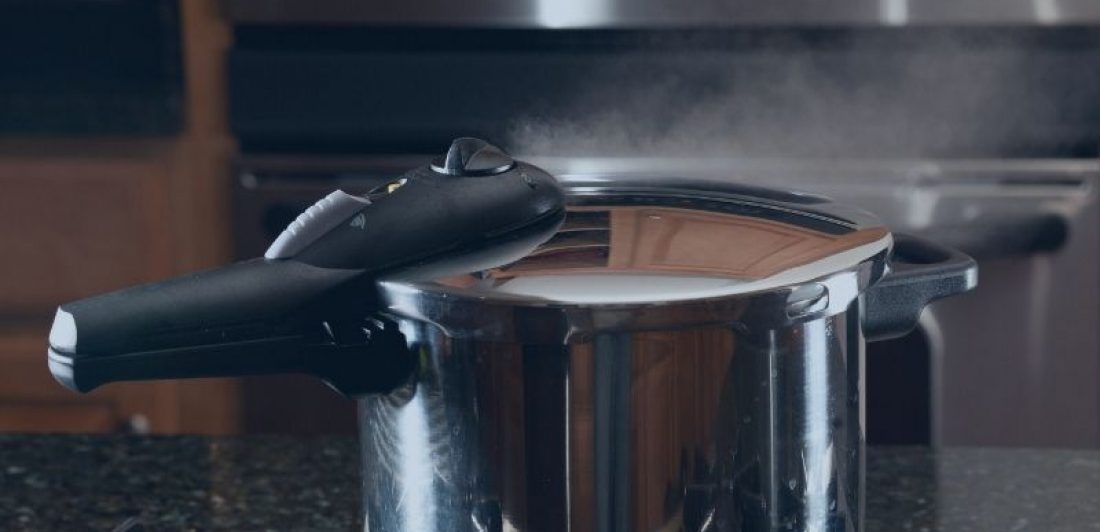
A federal judge has declined to overturn an $8.8 million verdict awarded to a woman injured by a multicooker. This marks another major development in product liability litigation involving pressure cookers.
The decision in the pressure cooker lawsuit reinforces a jury’s earlier finding that the manufacturers were responsible for design defects and failure to warn. This also highlights how courts evaluate challenges to large verdicts in consumer product cases.
Court Denies Request to Overturn Multicooker Verdict
In April 2026, a federal judge in Colorado denied efforts by Sunbeam Products Inc. and Newell Brands Inc. to set aside a jury verdict in favor of a plaintiff who suffered serious burns from a multicooker.
The companies had argued that errors during trial, including references to evidence not formally admitted, justified a new trial. However, the court found that these issues did not significantly influence the jury’s decision.
The judge emphasized that jurors were properly instructed on what constitutes evidence. The outcome was then supported by the record presented during pressure cooker lawsuit trial.
Background: Explosion Allegations in Pressure Cooker Lawsuit
The pressure cooker burn injury claim comes from a consumer who sustained injuries and alleged that a multicooker malfunctioned during normal use. According to court filings, the plaintiff was using the appliance to prepare food when the lid was opened after cooking.
At that point, the device allegedly released pressurized contents, causing severe burns. The plaintiff reported second- and third-degree burns as a result of the incident, which became a core point to the claims presented at trial.
Safety regulators have warned that some pressure cookers can open while pressurized, causing hot contents to spray out and result in severe burn injuries.
Jury Findings: Design Defect, Failure to Warn and Negligence
In December 2024, a jury found that the manufacturers were liable under several legal theories:
- Design defect
- Failure to warn
- Negligence
The jury also determined how responsibility should be divided, attributing 63% to one manufacturer and 27% to the other. 10% of responsibility in the failure to warn appliance case was attributed to the plaintiff.
Initially, the jury awarded almost $56 million in damages. However, that amount was later reduced to around $8.8 million due to statutory limits.
Why the Court Upheld the Verdict
After the trial, the manufacturers tried to overturn the verdict with arguments related to trial conduct and evidence. The court addressed these issues in detail and ultimately rejected them.
Use of Images and Demonstrative Evidence
The companies argued that the plaintiff’s legal team improperly showed images and a video during trial that were not admitted into evidence. The judge acknowledged that these materials should not have been presented in that way. However, the court found that:
- The materials were only shown briefly
- Jurors were instructed that arguments are not evidence
- Similar evidence was properly admitted during trial
As a result, the court determined that these actions did not unfairly influence the jury.
Arguments About Product Sales Figures
The defense also challenged statements suggesting that the companies generated significant revenue from the product. The court noted that evidence approximated one million units sold but this did not necessarily reflect profit.
However, the judge found no indication that this information improperly affected the jury’s decision on damages.
Testimony and Evidence Disputes
Challenges were also made that involved witness testimony and the handling of certain evidence. The court found that:
- Any disputed testimony was limited in scope
- The defense had opportunities to address concerns during trial
- The overall evidence presented supported the jury’s conclusions
The judge also determined that the plaintiff provided sufficient evidence to support claims for punitive damages.
Role of Product Recall Evidence
One of the more important aspects of the pressure cooker lawsuit involved evidence related to a product recall. The manufacturers argued that recall evidence should not have been considered because there was no legal duty to recall the product.
The court disagreed, explaining that the recall was relevant to whether the companies were aware of potential safety issues and how they responded. This distinction is important in product liability cases, where evidence of prior knowledge may influence findings related to negligence and punitive damages.
What This Case Means for Pressure Cooker Litigation
This ruling highlights how courts evaluate product liability claims involving household appliances, specifically those that operate under pressure. Similar safety concerns have led to recalls involving millions of pressure cookers.
This includes models where lids could be opened while contents are still under pressure. Pressure cookers and multicookers are widely used, but lawsuits have raised concerns about:
- Lid safety mechanisms
- Pressure release systems
- Whether products can be opened while still pressurized
When these systems fail or do not function as expected, the risk of injury may increase. Medical research has documented serious injuries associated with pressure cooker incidents, including burns affecting the face and eyes.
Product Liability and Pressure Cookers
Cases involving pressure cookers tend to fall under product liability law, which addresses whether a product is safe for consumer use. Product liability claims involving defective consumer products may include:
- Inadequate warnings or instructions
- Defective design
- Failure to address known safety risks
In many cases, like the pressure cooker lawsuit, plaintiffs must show that a product may have been unreasonably dangerous when used as intended.
The Importance of Design and Warning Labels
While the facts of every case are unique, there are common issues in consumer product litigation. Two key issues in the pressure cooker lawsuit involve design defects and failure to warn.
Design Defect
A product may be considered defective if its design creates unnecessary risk, even when used correctly.
Failure to Warn
Manufacturers may be required to provide adequate instructions and warnings about potential risks, especially when those risks are not obvious to consumers.
Product liability cases can involve a wide range of consumer products, from recalls involving children’s sleepwear to household appliances like pressure cookers. These legal theories often work together in cases involving complex appliances, like multicooker explosion lawsuits.
Challenges in Pressure Cooker Lawsuits
Because the circumstances of each case can be different, the verdicts can vary greatly. Common challenges in defective appliance lawsuits include:
- Evaluating how the appliance was used
- Determining whether the product malfunctioned
- Establishing whether warnings were adequate
Manufacturers may argue that injuries resulted from misuse or failure to follow instructions. Because of these factors, outcomes depend on the specific facts of every case.
The Future of Defective Appliance Lawsuits
The court’s decision to uphold the verdict suggests that juries may continue to play a major role in evaluating product safety claims. It also shows that:
- Evidence of prior safety concerns may influence liability findings
- Courts may defer to jury findings when supported by evidence
- Trial errors must significantly affect the outcome to justify a new trial
As pressure cooker litigation continues, more cases may further clarify how courts approach these issues.
Speak With The Carlson Law Firm
If you were injured while using a pressure cooker or similar appliance, you may have the right to explore legal options. A product liability attorney can help review how the incident occurred and evaluate whether a product defect may have contributed.
The Carlson Law Firm works with individuals and families in product liability cases involving defective consumer products. Contact The Carlson Law Firm today and schedule a free consultation to speak with a lawyer about your situation.