A Cook County jury has awarded $53 million in damages to four families who alleged that a preterm infant formula contributed to a serious and potentially fatal condition in their newborns.
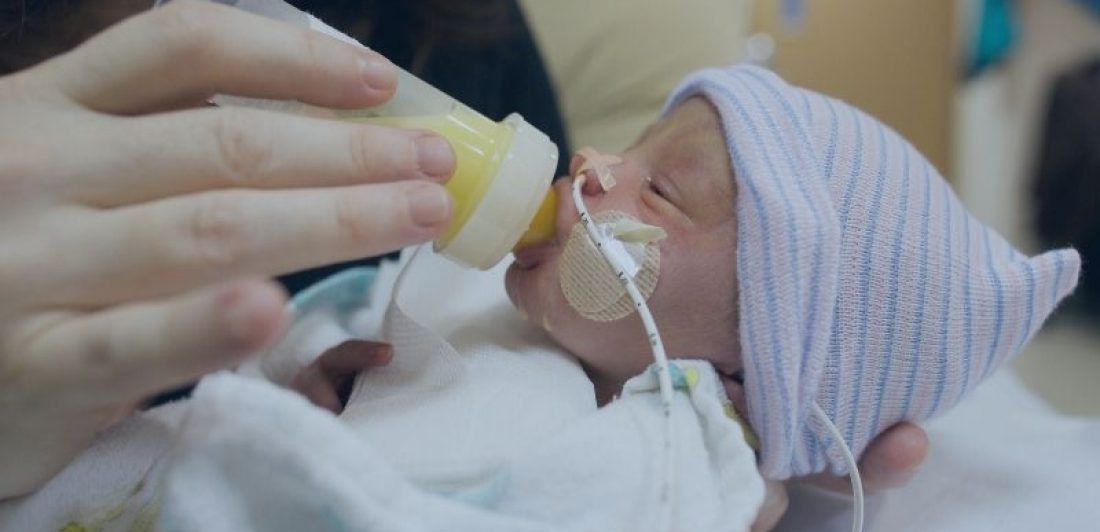
The baby formula lawsuit verdict marks a significant development in ongoing litigation involving baby formula products and their alleged link to necrotizing enterocolitis (NEC), a severe gastrointestinal disease that primarily affects premature infants.
Jury Awards Damages to Four Families in Abbott Formula Lawsuit Verdict
The necrotizing enterocolitis claims went through several weeks of testimony and roughly 10 hours of jury deliberation. Jurors awarded damages to four mothers who brought necrotizing enterocolitis claims against Abbott Laboratories on behalf of their children.
The families alleged that their infants developed NEC after being fed Abbott’s preterm formula while in neonatal care. The awards in the preterm formula lawsuit verdict included:
- $16 million to Kara Sharpe
- $15 million to Eboni Williams
- $15 million to Antonia Mendez
- $7 million to Casie Thompson
The damages were intended to compensate for loss of a normal life and the risk of future complications. They were also meant to compensate for pain and suffering, as well as emotional distress.
What Is Necrotizing Enterocolitis (NEC)?
Necrotizing enterocolitis is a serious gastrointestinal condition that mostly affects premature infants. It involves inflammation that can damage or destroy portions of the bowel. In severe cases, NEC may require:
- Removal of damaged intestinal tissue
- Long-term medical care
- Emergency surgery
While some infants recover, NEC can lead to serious complications, including intestinal damage and developmental challenges.
Allegations Against Abbott Laboratories
The baby formula lawsuits centered on claims that Abbott’s preterm formula was associated with an increased risk of NEC. The claims also alleged that the company failed to adequately warn parents and healthcare providers.
The plaintiffs brought several legal claims, including:
- Failure to warn
- Negligence
- Product defect
According to testimony presented at trial, the families argued they would not have agreed to using the formula had they been informed of the potential risks.
Judge Allows Punitive Damages Phase to Proceed
Following the preterm formula lawsuit verdict, the judge allowed the case to move into a separate phase to consider punitive damages. This decision was based on findings that the plaintiffs had presented evidence suggesting potential willful or reckless conduct.
The court also noted testimony that the company may have been aware of risks associated with the product but did not provide adequate warnings.
Failure to Warn and Infant Formula Product Liability
A central issue in the baby formula lawsuit was whether Abbott provided sufficient warnings about the potential risk of NEC in premature infants. The judge emphasized that if a substantial risk was known, appropriate warnings should have been included on labeling or packaging.
Failure-to-warn claims are a common focus in product liability litigation, especially when risks may not be obvious to consumers or caregivers.
Defense Arguments and Jury Findings
Abbott Laboratories denied that its formula was unsafe and argued that premature infants often have multiple risk factors that may contribute to NEC. The company also maintained that the formula does not cause NEC and breast milk could provide protective benefits.
However, the jury found that the plaintiffs presented enough evidence to support their claims.
Evidence and Expert Testimony
The trial included expert testimony on both sides, including discussions of:
- Medical risks associated with premature birth
- Clinical decision-making in neonatal
- Nutritional differences between formula and breast milk
One point of contention involved whether the risks of NEC should have been discussed more directly with parents. The court criticized testimony suggesting that discussing such risks might be inappropriate, noting that parents are routinely informed about serious medical risks for other situations.
Litigation Involving Baby Formula
This case is part of a larger wave of litigation involving baby formula manufacturers. Thousands of lawsuits have been filed nationwide, with many involving similar allegations that certain formulas may be linked to NEC in premature infants.
Other trials in mass tort cases involving defective consumer products have produced mixed results. Mass tort litigation can be complex, and individual evidence can be crucial.
The Role of Multidistrict Litigation (MDL)
Many baby formula cases are being handled through multidistrict litigation in federal courts. MDL proceedings are designed to:
- Streamline discovery
- Consolidate similar claims
- Address common legal issues
A recent example was the lawsuit against Mead Johnson, which resulted in a $60 million verdict. However, each case remains individual, and outcomes may vary based on specific facts and evidence.
Challenges in Baby Formula Lawsuits
Baby formula lawsuits can be complex due to several factors:
- Premature infants often have multiple medical risk factors
- Medical decision-making varies from one hospital to another
- Scientific evidence may be interpreted differently
Defendants often argue that NEC is a known risk associated with prematurity itself, rather than a specific product. Courts carefully evaluate medical testimony and scientific research identifying risk factors when determining liability.
What This Verdict Means Going Forward
The $53 million verdict represents one of the latest developments in ongoing baby formula litigation and may influence how future cases are evaluated. However, it does not determine the outcome of other formula lawsuits.
Each case is based on its own facts, such as a claim involving infant botulism related to formula. As more cases proceed, courts will continue to examine:
- Scientific evidence
- Product warnings
- Corporate knowledge of potential risks
Speak With The Carlson Law Firm
If your child was diagnosed with necrotizing enterocolitis after being fed formula in a hospital setting, you may have the right to legal options. An attorney can review medical records and feeding history to evaluate whether a claim may be possible.
The Carlson Law Firm works with families in complex product liability and mass tort cases. An attorney can evaluate your case with compassion and experience. Contact The Carlson Law Firm and schedule a free consultation to speak to a lawyer about your baby formula lawsuit.