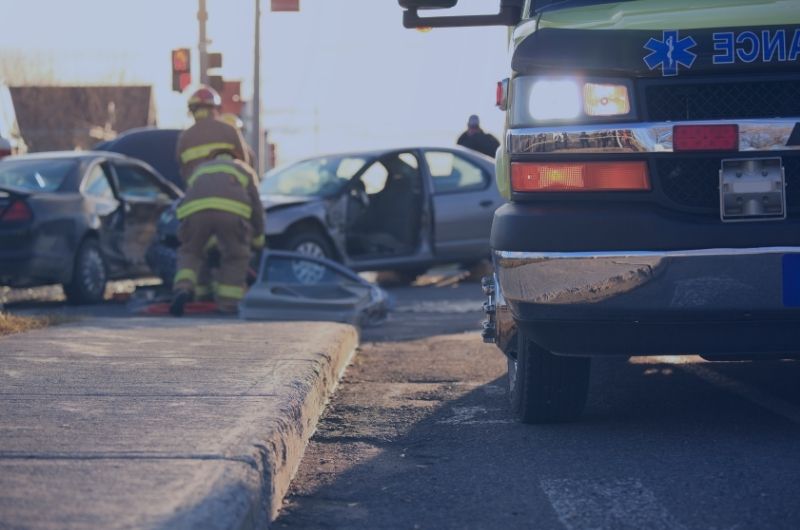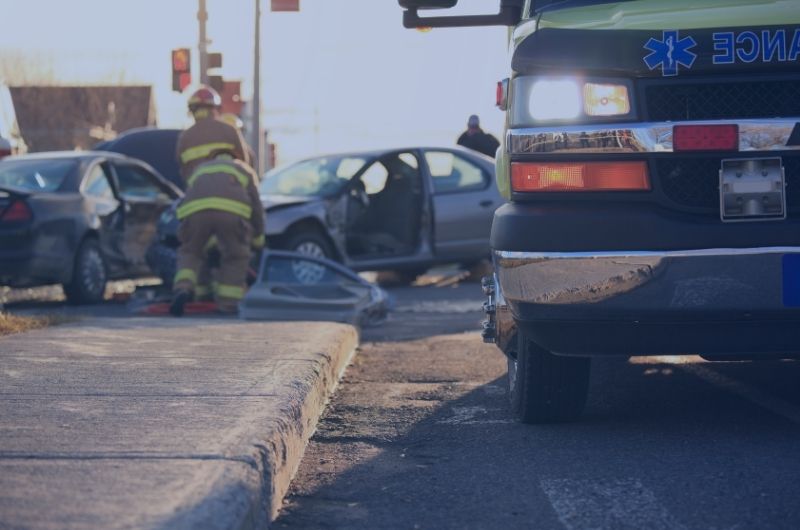
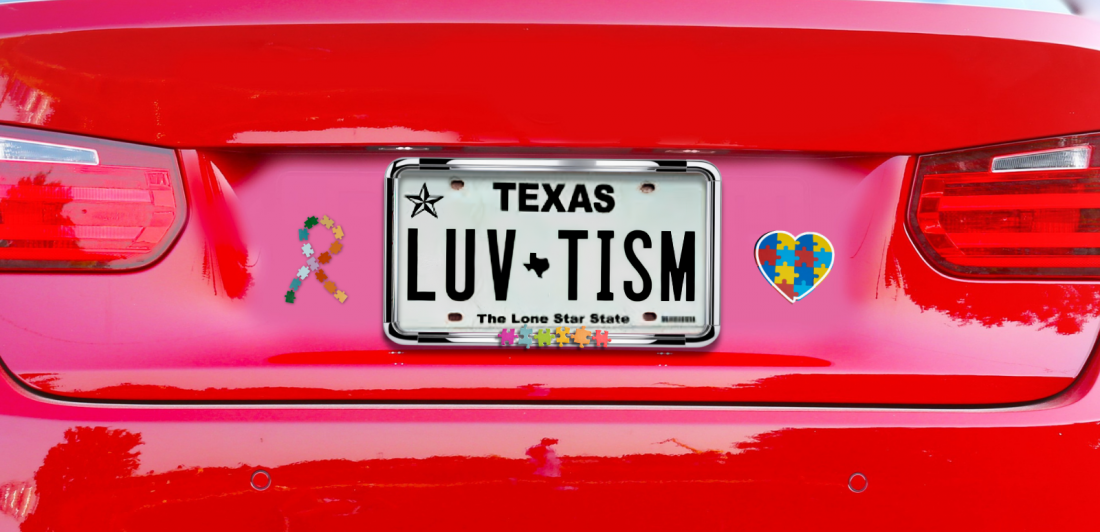
Flashing lights. A jolting siren. An authoritative voice issuing commands, one after another.
For most drivers, it's a stressful moment. For a person on the autism spectrum, it can feel like the world just turned into a blaring, unpredictable storm.
Autism awareness on the road isn't just about kindness. It is a matter of civil rights, safer roads and preventing avoidable arrests.
When a traffic stop escalates from a misunderstanding
Autism is not always visible and its traits can be easily misinterpreted in high-pressure situations.
A driver with autism may avoid eye contact, hesitate or be slow to respond, repeat words, or have difficulty following multiple commands at once. These behaviors are not signs of a defiance, but of neurological differences in the way information is processed by the individual.
During a traffic stop, where tensions run high and every second matters, these differences can cause the situation to escalate quickly. What begins as confusion can be perceived as a lack of cooperation. And that’s where things can go wrong.
Rights still apply
People with autism are protected under disability rights laws including the Americans with Disabilities Act (ADA). This means that authorities must offer reasonable accommodations during their interactions. But there is a key challenge: rights can only protect someone when they are understood and respected in real time. That’s why training and awareness are not optional; they are essential.
The Samuel Allen Act
The Samuel Allen Act was ratified in 2019 and named after a young man with autism who was unable to communicate his impairment when he was detained by police, leading to serious consequences.
The purpose of this law is to add protections for people with communication disabilities by allowing them to have the option of registering their vehicles with the Department of Transportation. This way, police officers can be on alert when they scan the vehicle's license plate during the stop, even before interacting with the driver.
Communication Impediment Designations
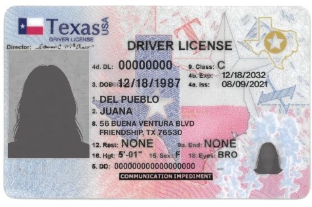
Texas' Driving With Disability program allows drivers to indicate a communication impediment to alert officers prior to an interaction. The designation of the communication impediment can go on the driver's license, vehicle registration, or both.
Communication Impediment Designation on Driver's License:
The communication impediment designation on the driver's license is a general indication that does not specify the impediment or condition. This way, a driver with a disability can preserve their confidentiality while signaling to officers that they may have difficulty processing instructions or communicating under pressure.
Communication Impediment Designation on the Vehicle Registration:
This communication impediment designation is an option that allows the driver to register the vehicle with the indication. This way, officers can see the alert when they check the car's license plate, even before interacting with the driver.
These designations are optional and completely voluntary. Considering these options can add an extra layer of protection, especially in situations where the driver might not be able to communicate their condition immediately.
Training of law enforcement officers
The State of Texas has implemented training programs focused on:
- Recognizing characteristics of autism
- Communicate clearly and calmly
- Apply de-escalation techniques
- Understanding sensory sensitivities
Starting in 2026, this type of training will be a mandatory part of police training in Texas.
Why does it matter? Preventing Wrongful Arrests
When autism is not recognized, the behavior can be misinterpreted as suspicious or defiant. Protections for people with communication disabilities can prevent:
- Unnecessary detentions
- Excessive use of force
- Wrongful arrests
What can families do?
While the responsibility should not lie solely with drivers and their families, there are steps that can help.
- Carry a medical ID card
- Consider the designation of communication impediment
- Practice traffic stop scenarios
- Have vehicle documents readily accessible
- Prepare an appropriate sensory support kit
Knowledge and preparation can make all the difference at critical moments.
From Awareness to Action
Everyone deserves to get home safely. Awareness is the beginning and the actions that follow are what transform realities. It is not about special treatment. The goal is fair, informed and humane treatment. Public safety and the rights of people with disabilities complement each other.
When that protection fails, whether it's because of an accident or an arrest that should not have happened, it is important to have a team that understands both the law and the dignity of each person. At The Carlson Law Firm, we work to protect the rights of those who have been affected and to accompany people through difficult times with clarity, respect, and determination. We care. We can help.