Preparing for a court appearance involves more than understanding your case. How you present yourself can influence how you are perceived in the courtroom. While there is no single dress code that applies to every situation, most courts expect individuals to appear in a way that reflects respect for the process.
If you’re unsure where to start, reviewing general guidance on what to wear to court can help. If you have concerns over what not to wear, however, it can help to know what clothing choices to avoid when appearing before a judge.
Why What You Wear to Court Matters
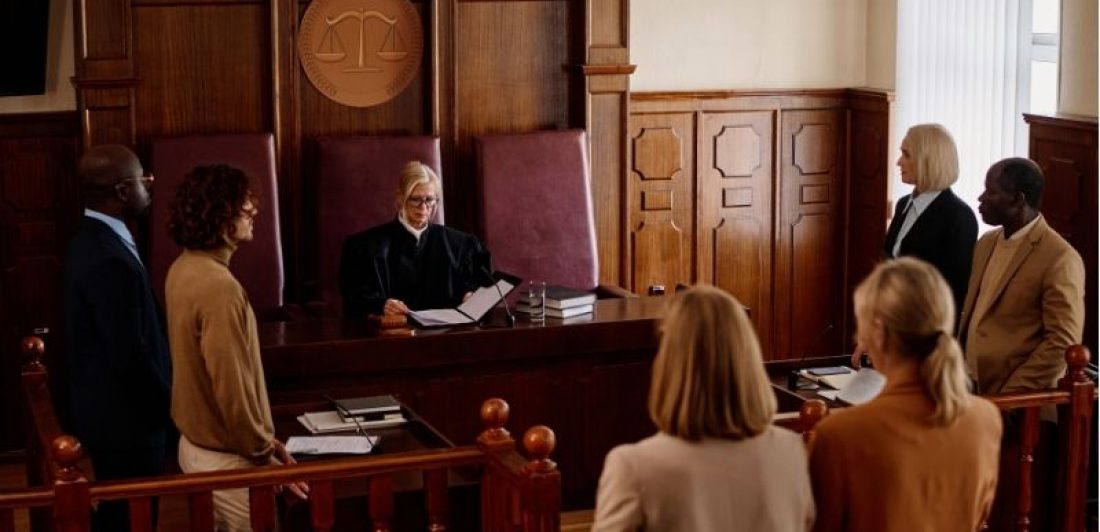
Courtrooms are formal environments where expectations around behavior and appearance are often higher than in everyday settings. Judges, attorneys and court staff expect individuals to present themselves in a manner that reflects professionalism and respect.
Court appearance attire may not determine the outcome of a case, but it can affect first impressions. Inappropriate court clothing may influence how seriously a person is taken or whether they appear prepared and attentive. Dressing appropriately can help ensure that the focus remains on the legal issues rather than personal presentation.
What Not to Wear to Court When Getting Ready
Wearing Casual or Informal Clothing
Clothing that is too casual can come across as dismissive of the seriousness of the situation. Even if your hearing is brief or informal, you should dress in a way that reflects the setting. Items that are generally considered to be inappropriate court clothing include:
- Sweatpants
- Athletic wear
- Graphic t-shirts
Clothing That Is Too Revealing
Outfits that are overly revealing may be considered inappropriate for a courtroom dress code. This includes clothing such as:
- Tank tops
- Low-cut shirts
- Short skirts or shorts
Courts typically expect modest attire. Choosing clothing that provides appropriate coverage can help avoid unnecessary attention and maintain a respectful presence in the courtroom.
Distracting or Flashy Outfits
Bright colors, bold patterns or excessive accessories can be distracting in a courtroom. Personal style may not meet court outfit guidelines, and court appearances generally call for a more neutral and understated look.
Clothing that draws attention may shift focus away from the legal matter being addressed. Neutral tones such as black, gray, navy or beige are typically safer choices for court appearance attire.
Wearing Hats or Sunglasses Indoors
Hats, sunglasses and similar accessories are generally not appropriate inside a courtroom unless there is a specific reason for wearing them. Removing these items before entering the courtroom helps maintain a respectful appearance.
Clothing With Offensive Language or Graphics
Clothing that includes inappropriate language, slogans or imagery can be seen as disrespectful in a courtroom setting. This type of attire may also create a negative impression or distract from the seriousness of the proceedings.
Poor Grooming or Hygiene
Wrinkled clothing, unkempt hair or poor hygiene can create a negative impression. While this may seem like a minor detail, overall presentation plays a role in how individuals are perceived in professional settings.
Courtroom Expectations May Vary
While these general court outfit guidelines apply in many situations, expectations can vary depending on the type of case and the court you are appearing in. For example:
- Criminal court appearances may carry stricter expectations
- Family courts can vary depending on the nature of the hearing
- Civil proceedings may be slightly less formal, but still require professional attire
- Local courts may have their own standards or preferences
If you are unsure what is expected, it may be helpful to review information about the specific court or speak with an attorney for guidance.
Practical Tips for Choosing Court Appearance Attire
If you are unsure how to dress, focusing on simple, professional clothing is a practical approach. You do not need expensive or formal business attire, but your clothing should be clean, neat and appropriate for the setting. Consider:
- Choosing neutral or muted colors
- Wearing clothes that are clean and wrinkle-free
- Keeping accessories minimal
- Avoiding logos or large graphics
- Opting for closed-toe shoes when possible
- Making sure clothing is not too tight or too loose
Preparing for Your First Court Appearance
For many people, a court appearance may be a new experience. In addition to dressing appropriately, it can help to prepare for other aspects.
- Arrive early
- Bring required documents
- Observe courtroom behavior, like when to stand and how to address the judge
While attire is only one part of preparation, it is one of the first things others will notice when you enter the courtroom.
The Effect of What Not to Wear to Court
Understanding what not to wear to court can help you avoid common mistakes and feel more prepared. While there are many aspects to the experience, court appearance attire plays a role in how you present yourself during legal proceedings.
For more detailed court outfit guidelines, it may help to check the courtroom dress code where you will be appearing.
When Legal Guidance May Be Helpful
If you are facing a legal matter and are unsure what not to wear to court, speaking with an attorney can help you feel prepared. A legal professional can provide guidance based on the specifics of your case and give you confidence in your court appearance.
The Carlson Law Firm has courtroom experience to make sure you feel prepared for the process. Contact us today and let us review the facts of your case.