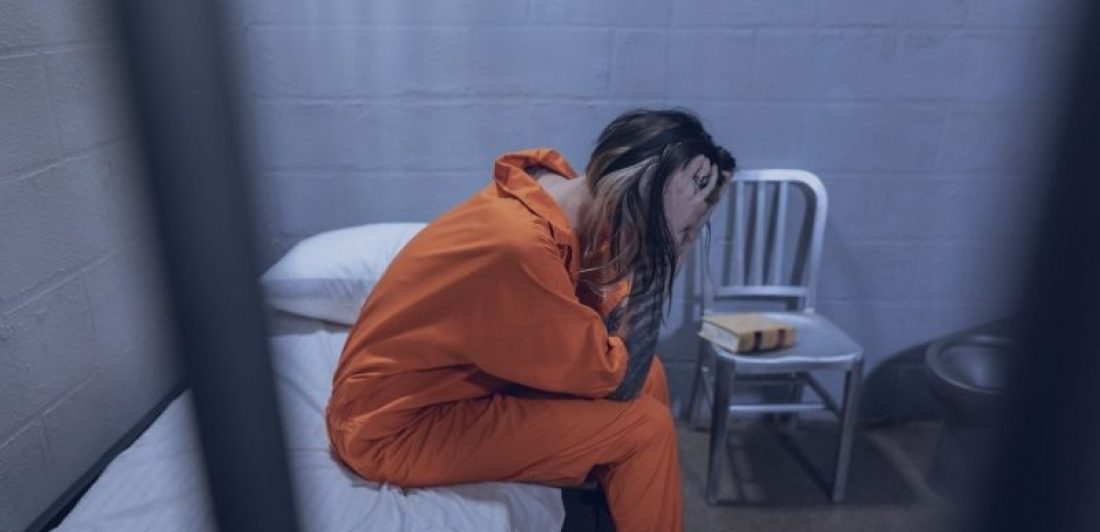
An arrest can affect far more than a person’s legal situation. For many individuals, the experience also brings emotional stress and challenges to mental health after an arrest that can continue long after the initial encounter with law enforcement.
Even before a case is resolved, people may experience anxiety about court appearances, employment concerns, financial strain or how the situation could affect their family and personal relationships.
For those who have never been through the criminal justice system before, the process itself can feel unfamiliar and overwhelming. Many situations can find mental health and criminal charges connected. A criminal defense lawyer can help with questions about your case and provide compassionate legal support.
Why an Arrest Can Affect Mental Health
An arrest can disrupt daily life almost immediately. Depending on the circumstances, a person may suddenly be dealing with:
- Time away from work
- Court deadlines
- Legal paperwork
- Financial concerns
- Family stress
- Public embarrassment
- Uncertainty about the future
For some individuals, these pressures may contribute to difficulty sleeping or depression after criminal charges. Anxiety after an arrest is also common, which can also lead to panic attacks. Others may feel isolated or overwhelmed while trying to manage the legal process.
Anxiety and Stress During the Criminal Justice Process
One of the most common emotional responses is anxiety after an arrest. Uncertainty surrounding court dates, possible penalties and the outcome of a case can leave people feeling constantly on edge.
Stress after an arrest may increase during different stages of the process, including:
- Booking and release
- Court appearances
- Communication with prosecutors
- Questions about employment or school
- Waiting for updates in a case
For some people, stress can also affect concentration, appetite and personal relationships. Having a clearer understanding of the legal process may help coping with an arrest and reduce some of the uncertainty.
Depression and Emotional Isolation
In some situations, individuals may begin withdrawing from friends, family or social activities following an arrest. Feelings of shame, embarrassment or fear of judgment can make people reluctant to talk about what they are experiencing.
Depression after criminal charges may involve:
- Loss of motivation
- Persistent sadness
- Fatigue
- Difficulty focusing
- Changes in sleep patterns
- Feelings of hopelessness
These challenges of mental health after an arrest can become even more difficult when someone feels they have to navigate the situation alone. Texas mental health resources are available for anyone coping with an arrest.
The Importance of Support Systems for Mental Health After an Arrest
Support from trusted family members, friends or mental health professionals can make a huge difference during the legal process. For some people, simply having someone who can listen without judgment may help reduce feelings of isolation or panic.
Others may benefit from professional counseling or therapy while managing the stress of an ongoing criminal case. Support systems may also help individuals:
- Stay organized with court obligations
- Maintain daily routines
- Reduce emotional overwhelm
- Focus on long-term stability
While legal issues can feel heavy, maintaining routines and healthy communication can sometimes help people feel more grounded during uncertain situations.
Seeking Mental Health Support After an Arrest
Mental health care may be an important part of coping with the stress that follows an arrest. Speaking with a licensed mental health professional can help individuals process emotions, manage anxiety and develop healthier coping strategies.
Resources may include:
- Individual counseling
- Crisis hotlines
- Community mental health programs
- Support groups
- Substance abuse treatment programs, when applicable
In Texas, local mental health authorities and nonprofit organizations may offer services. Having a criminal defense lawyer for compassionate legal support could also ease the stress of mental health after an arrest or the trauma of a car accident.
Mental Health Resources in Texas
Several organizations throughout Texas provide mental health support and crisis services for individuals struggling with mental health after an arrest.
National Resources
- National Suicide & Crisis Lifeline: Dial 988
- National Alliance on Mental Illness (NAMI)
- Substance Abuse and Mental Health Services Administration (SAMHSA)
Central Texas Resources
Depending on the county, individuals may also have access to local organizations such as:
- Integral Care (Travis County)
- MHMR of Tarrant County
- Bell County MHMR
- The Harris Center for Mental Health and IDD (Harris County)
Availability of services may vary by location and eligibility requirements.
How Criminal Defense Lawyers Can Help Reduce Uncertainty
While criminal defense attorneys are not mental health professionals, legal guidance may help reduce some of the uncertainty and confusion that often contribute to stress after an arrest. Legal professionals can explain:
- Court procedures
- Potential next steps
- Filing deadlines
- Bond conditions
- Communication requirements
Understanding these parts of the process may help individuals feel more informed when coping with an arrest. Having someone listen to your case with compassion and answer questions can sometimes help reduce fear surrounding the unknown aspects of a criminal case.
Taking Things One Step at a Time
The criminal justice process can feel overwhelming, especially in the days and weeks following an arrest. Trying to focus on every possible outcome at once can increase stress and anxiety. For many individuals, it may help to focus on manageable next steps:
- Attending scheduled court appearances
- Staying in communication with legal counsel
- Seeking support when needed
- Maintaining daily responsibilities where possible
While the legal process may take time, support and reliable information can make it easier to navigate. If you need help understanding the legal process, a criminal defense lawyer can help. If you are struggling with mental health after an arrest, you may consider reaching out to one of the resources mentioned.
You Do Not Have to Navigate the Process Alone
An arrest can bring emotional, financial and legal challenges that affect nearly every part of a person’s life. Feelings of stress, anxiety and uncertainty are common during this process, and seeking support for mental health after an arrest is not a sign of weakness.
If you are facing criminal charges, speaking with a criminal defense lawyer can help you better understand your legal options and what to expect moving forward.