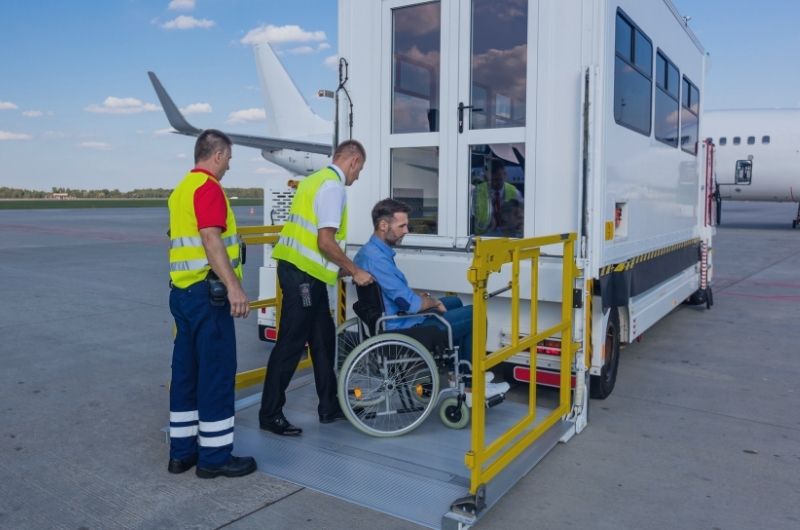
Mobility equipment is essential for many people with disabilities to move safely and independently. Unfortunately, air travel can be a challenge for passengers with disabilities. When airlines mishandle these devices, it can cause travelers safety concerns or disrupted plans.
The U.S. Department of Transportation includes advice on wheelchairs and mobility devices for traveling. Passengers with disabilities have rights to protect themselves after an incident aboard an aircraft.
Who is Responsible if an Airline Damages a Wheelchair?
Under federal law, airlines have specific obligations when they transport wheelchairs and other assistive devices. According to the Airline Passengers with Disabilities Bill of Rights, the U.S. Department of Transportation outlines expected treatment of passengers with disabilities and their mobility devices.
Airlines must return assistive devices in the same condition they were received. An airline-damaged mobility device may be entitled to compensation up to the device’s original purchase price on domestic flights.
Passengers may also be entitled to a temporary or loaner mobility device while repairs are being completed. Any delay can create accessibility issues for travelers who rely on these devices.
What Should You Do if an Airline Damages Your Wheelchair?
Passengers should report any damage to their mobility device as soon as possible after discovering the issue. Airlines are required to have a Complaint Resolution Official (CRO) available at the airport or by phone to address disability-related travel concerns.
Reporting the damage quickly helps establish when and how the incident occurred. If damage occurs, travelers should:
- Take photos of the damage
- Notify airline staff immediately
- Request a written record of the complaint
- Ask about a temporary or loaner device
Knowing what to do if an airline damages your wheelchair can help protect your rights and increase the chances of reimbursement.
How Do You File an Airline Disability Rights Complaint with the Airline?
Passengers should submit a written complaint directly to the airline within 45 days of the incident. Filing a formal complaint this way makes sure the airline must respond and address the issue in writing.
Travelers requesting compensation should include:
- Documentation of the device’s value
- The cost of repair or replacement
- A request for reimbursement
- Information about a loaner device
Creating a detailed written record can help strengthen the claim and move the reimbursement process forward.
What if the Airline Does Not Resolve the Issue?
If the airline does not resolve the issue, passengers can escalate the complaint to the U.S. Department of Transportation. Complaints need to be filed with the agency’s Aviation Consumer Protection Division within 180 days of the incident.
The DoT investigates disability-related travel complaints and can determine whether an airline violated federal accessibility laws.
Why is Damage to a Mobility Device a Serious Issue?
Many wheelchairs and scooters are custom-built medical devices, not just regular luggage. They can often cost thousands of dollars and take months to replace. When a damaged wheelchair leads to falls or other medical complications, the victim may need a skilled personal injury lawyer.
When mobility equipment is damaged during travel, the consequences may include:
- Loss of independence and mobility
- Increased fall risks
- Missed medical appointments or travel plans
- Additional strain on caregivers or family members
There are federal regulations in place to increase protection for passengers with disabilities. Airlines are required to improve training for employees who handle mobility equipment, like the materials provided by the U.S. Department of Transportation.
How Often Do Airlines Damage Wheelchairs?
Damage to wheelchairs and mobility devices during flights is more common than many travelers realize. According to the U.S. Department of Transportation, airlines reported thousands of wheelchairs and scooters being mishandled each year.
For travelers who depend on these devices daily, even minor damage can disrupt mobility and independence. Because mobility devices are typically stored in cargo areas and handled by multiple ground crew members, though, improper loading or unloading procedures can increase the risk of damage.
Why Wheelchair Damage Can Create Serious Safety Risks
For many travelers, a wheelchair or mobility scooter is essential medical equipment that allows them to safely navigate their home, workplace and community. When that equipment is damaged during travel, the consequences can include:
- Loss of independence and mobility
- Increased fall risks
- Missed medical appointments or travel plans
- More strain on caregivers or family members
Power wheelchairs can be customized to meet a user’s medical needs and cost tens of thousands of dollars. If a device is repaired wrong or replaced with a generic model, it can cause issues.
Because of this, disability advocates emphasize that damaged mobility devices should be treated as medical equipment failures rather than ordinary baggage claims.
What Evidence Can Help Support a Claim
If an airline damages a wheelchair or mobility device, documenting the incident can help strengthen a complaint or reimbursement claim. Evidence that passengers may want to gather includes:
- Documentation of the device’s original purchase price
- Airline baggage reports or incident reports
- Photos of the device before and after the flight
- Repair estimates from qualified technicians
- Written communications with airline staff
Keeping detailed records can make it easier to demonstrate when the damage occurred and how it has affected the traveler. It can also help if there is a dispute over repair costs or replacement options.
How Can Travelers Reduce the Risk of Wheelchair Damage When Flying?
Airlines are responsible for safely transporting mobility equipment, but travelers may be able to reduce risks. Recommended precautions include:
- Providing written instructions for handling or disassembling the device
- Labeling the device with contact information
- Informing the airline ahead of time that you will travel with a mobility device
- Removing detachable components when possible
- Taking photos of the equipment before boarding
Travelers may also want to carry cushions, control panels or removable components in the cabin when possible.
What Law Protects Passengers Whose Wheelchairs Are Damaged?
The Air Carrier Access Act protects airline passengers with disabilities and prohibits discrimination during air travel. Under this law, airlines must compensate passengers if wheelchairs or other mobility devices are damaged during a flight.
How Long Do Passengers Have to File a Complaint?
In most cases, passengers have 45 days to file a written complaint with the airline. To file a complaint with the Department of Transportation, passengers typically have 180 days. Filing complaints as soon as possible can help make sure the issue is investigated.
What to Do if an Airline Damages Your Wheelchair
In some situations, damage to a wheelchair or mobility device may lead to legal claims. If an airline fails to handle equipment properly or violates accessibility requirements, there may be legal options for passengers.
Negligence or product liability claims can arise when:
- Safety equipment fails
- Accessibility rights are violated
- Airline negligence causes damage
- Improper loading or handling occurs
Because mobility devices are essential medical equipment, damage to them can create hardships for travelers.
Why Is It Important to Understand Your Rights?
When airlines mishandle mobility devices, passengers may not know how to respond. The Carlson Law Firm understands federal disability protections and reporting procedures. Our team can help travelers act quickly and protect their rights.
If negligence or unsafe handling practices lead to injuries, passengers may also have legal options to pursue compensation. Knowing your rights can help make sure airlines are held accountable if they damage your mobility device.