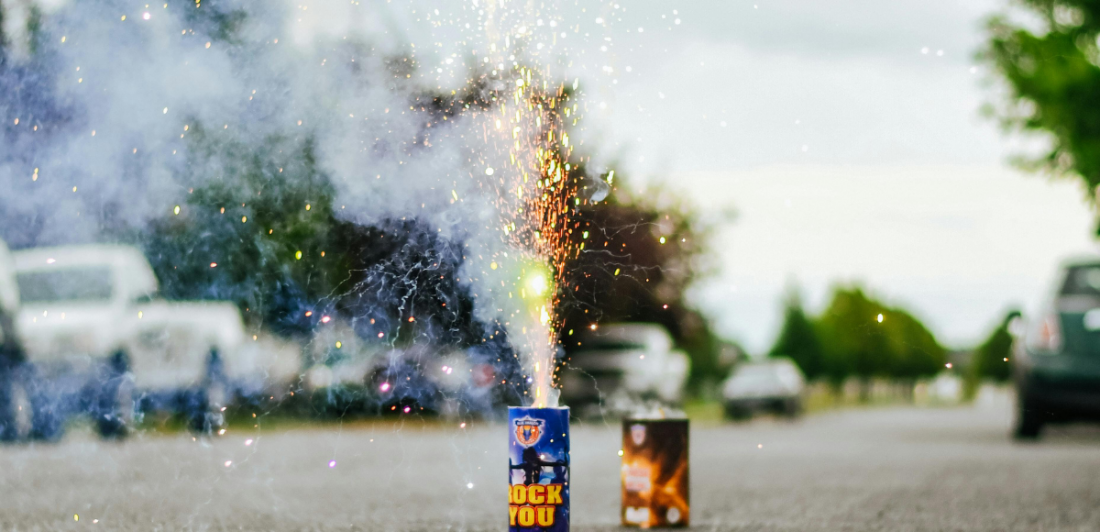
With Independence Day around the corner, the risk of injuries and property damage from fireworks gone wrong increases significantly. In Texas, we do not simply celebrate America’s independence. We BBQ, sweat through our shirts, keep the mosquito population well-fed and gather around when someone’s fun uncle decides he is qualified enough to put on a professional-grade fireworks show from the driveway.
Fireworks are part of the American tradition of pomp, circumstance and someone yelling, “Light it and run.” But they can also be dangerous when things go wrong. A fun Fourth of July party can turn into an emergency room visit, a burned fence, a damaged roof, a grass fire or a very awkward conversation with the neighbor who swore he “had it under control.”
So, can you sue your neighbor for a firework injury or damage to your property?
The short answer is generally yes. If your neighbor acted carelessly and their fireworks injured you or damaged your property, you may have a legal claim.
Can I sue my neighbor for firework injuries or property damage?
Yes, you may be able to sue your neighbor if their fireworks caused your injuries or damaged your property. To bring a claim, you generally need to show that your neighbor acted negligently and that their actions caused your harm.
Negligence means someone failed to use reasonable care. With fireworks, that could mean lighting them too close to homes, using them during a burn ban, pointing them toward people or property, allowing children to use them unsafely or ignoring local fireworks laws.
Basically, if the whole plan was “let’s see what happens,” that may become a problem.
Are fireworks legal in Texas?
In true Texas fashion, when it comes to what is legal, the answer depends on where you are standing.
Fireworks may be legal in some unincorporated areas, restricted in certain counties or completely prohibited inside city limits. Neighborhoods and HOAs may also have their own rules. That matters because before you start setting wicks on fire in a cul-de-sac, you need to know whether you are allowed to do it there.
Legal also does not mean consequence-free. You can be allowed to do something and still be responsible when your Roman candle attacks a fence.
Do burn bans matter during the Fourth of July?
Yes. Burn bans matter, especially in Texas.
Burn bans are common across Texas because our weather can go from lush fields of wildflowers to water restrictions and crispy lawns seemingly overnight. When drought conditions exist, local governments may issue burn bans or fire restrictions to reduce the risk of wildfires and protect public safety.
Unfortunately, some people ignore burn bans, fireworks restrictions and basic common sense. One ember landing in dry grass can start a fire that spreads to fences, vehicles, homes and local businesses.
If your neighbor set off fireworks during a burn ban or ignored local restrictions, that can be important evidence in a claim.
How common are firework injuries?
Firework injuries are more common than many people realize. In 2024, nearly 15,000 people were treated in emergency rooms for fireworks-related injuries. Eleven people died in fireworks-related incidents, most involving misuse or device misfires or malfunctions.
That is not “oops, I got startled by a popper” territory. Fireworks can cause burns, eye injuries, hearing damage, hand injuries, facial injuries and permanent scarring.
And in the age of social media, fireworks have become more than a backyard tradition. They are tiny explosives that people sometimes record themselves using for entertainment, internet points, or to prove something to the group chat. Before social media, a bad firework decision might have only been witnessed by the people in the driveway. Now, it can be posted, shared, copied and preserved forever.
Which is bad for safety and, frankly, terrible for plausible deniability.
What are the most common firework injuries?
The most common fireworks injuries often involve the hands, fingers, head, face, ears, eyes, legs and arms. Burns are also one of the most common types of fireworks-related injuries.
If you and your family are using fireworks, take precautions to protect your hands, face, eyes and ears. And yes, sparklers count. They may look cute, but they burn hot enough to cause serious injuries. They are basically tiny fire swords handed to children in the name of holiday fun.
Can fireworks damage my house or property?
Yes. Fireworks can damage homes, roofs, fences, vehicles, yards, grass, trees, sheds and other property. They can also start fires that spread beyond the original location.
Property damage is harder to measure on a personal level because not every firework mishap is reported the same way. A scorched fence, burned grass, damaged roof and full structure fire are all very different situations.
But nationally, fireworks cause thousands of fires every year. These fires can involve homes, vehicles, grass, brush and other outdoor property. In dry Texas conditions, one poorly aimed firework can become everyone’s problem very quickly.
That is why firework safety is not just about the person holding the lighter and making questionable choices in Crocs. It is also about the neighbors, pets, homes, fences, vehicles and businesses nearby.
What counts as negligence in a firework injury or damage claim?
Negligence in a firework claim means someone failed to use reasonable care, and that failure caused an injury or property damage.
Examples of firework negligence may include:
- Setting off fireworks during a burn ban
- Using fireworks where they are prohibited
- Lighting fireworks too close to homes, cars, fences, dry grass or trees
- Pointing fireworks toward another person’s property
- Allowing children to use fireworks without proper supervision
- Using illegal fireworks
- Lighting fireworks while impaired
- Ignoring safety instructions
- Trying to relight a firework that did not go off the first time
If your neighbor ignored safety rules, local restrictions or obvious risks, their actions may support a negligence claim.
Does homeowner’s insurance cover firework damage?
Homeowner’s insurance may cover some types of firework damage, depending on the policy and the facts of the incident.
In some cases, your own insurance company may cover the damage first and then pursue the responsible party or their insurer. In other cases, your neighbor’s homeowner’s insurance may come into play if they were at fault.
Either way, a neighbor saying “my bad” is not the same thing as paying to replace your fence.
What if I were injured by my neighbor’s fireworks?
If you were injured because of your neighbor’s fireworks, you may be able to seek compensation for your injuries.
Depending on the facts of your case, compensation may include:
- Emergency room treatment
- Hospital bills
- Follow-up care
- Burn treatment
- Surgery
- Scarring or disfigurement
- Lost wages
- Pain and suffering
- Property damage connected to the incident
Fireworks injuries can be serious. A single unsafe choice can leave someone with burns, vision damage, hearing loss, hand injuries or permanent scarring.
What should I do after a firework injury or property damage?
After a firework injury or property damage, get medical care, report the incident, document the damage and contact your insurance company.
Start by getting medical treatment if anyone is hurt. Even injuries that look minor at first can worsen, especially burns and eye injuries.
Then, document everything you can:
- Take photos and videos of the injury or damage
- Save medical records and bills
- Get witness names and contact information
- Keep damaged property if it is safe to do so
- Write down what happened while it is fresh
- Check whether there was a burn ban or local fireworks restriction in place
- Report fires or injuries to the appropriate authorities
- Notify your insurance company
And if there are social media posts, screenshots, videos, captions or comments related to what happened, save those too. The same video someone posted for laughs may later help show what happened, where it happened and who was involved.
Can social media posts be used in a firework injury claim?
Yes. Social media posts may be used as evidence in a firework injury or property damage claim.
A video, caption, comment, livestream or location tag may help show who was involved, where the fireworks were used, whether the person knew the activity was dangerous and what happened before or after the injury.
So if someone posts a video of themselves aiming fireworks toward a fence, joking about starting a fire or ignoring a burn ban, that post may become more than content. It may become evidence.
Because prosecutors, insurance adjusters and personal injury lawyers also know how to screenshot.
When should I call a lawyer?
You should consider calling a lawyer after a firework injury or property damage if someone was hurt, your property was significantly damaged, a fire spread to your property or the insurance company is delaying, denying or undervaluing your claim.
You should also consider speaking with a lawyer if:
- A child was hurt
- You suffered burns, scarring or disability
- You missed work because of your injuries
- Your home, vehicle, fence or other property was damaged
- Your neighbor violated a burn ban or local fireworks restriction
- There are disputes about who caused the damage
- Social media posts or videos show reckless behavior
Firework injury and property damage claims can involve homeowner’s insurance, liability coverage, local ordinances, fire reports, witness statements, medical records and social media evidence. A lawyer can help determine who may be responsible and what compensation may be available.
We care. We can help.
If you were injured by fireworks or fireworks led to a neighborhood fire, The Carlson Law Firm may be able to help. Schedule a free consultation with an attorney on our legal team.