When a child is injured playing with a toy, many parents assume it was an unfortunate accident. Sometimes, though, accidents are not random and are the result of a defective product that should never have been allowed on the shelf in the first place.
Each year, thousands of children and adults are taken to emergency departments for a defective toy injury. According to a 2023 report by the U.S. Consumer Product Safety Commission (CPSC), toys and children’s products were responsible for an estimated 231,700 injuries.
Toys can be defective for many reasons, including design issues or unsafe age recommendations. Knowing the difference can help parents recognize when an injury may involve a defective toy injury claim.
Defective Toy Injury Trends
Defective toys and injuries are more common than people may think. Of the estimated 231,700 injuries in the 2023 CPSC report, most of those injuries occurred in children ages 12 or younger.
In addition to everyday toy hazards, defective toy injuries can also prompt major brand recalls when these defects are identified. For example:
- Past recalls have included millions of Baby Shark bath toys linked to risks of punctures and cuts.
- Thousands of Crayola pip-cubes magnetic building toys were recalled for an ingestion hazard, where loose magnets could cause serious internal injuries if swallowed.
These types of recalls highlight the risks posed by some defects that can expose children to harm beyond normal play.
What Makes a Toy Defective?
A defective toy may be considered dangerous when it poses an unreasonable risk of harm during normal, intended use. This is especially true when children are involved. A dangerous toy hazard is not always obvious, and many defective toys appear safe at first.
There are many reasons for a toy to be considered defective from a legal standpoint. These defects generally fall into five main categories:
- The toy malfunctions during normal use. This includes toys that break, spark, overheat, or fail for another reason that creates a serious injury risk when used as intended.
- Small parts detach more easily than age-ratings allow. This can create choking hazards, especially for toys designed for young children.
- The packaging fails to warn about realistic risks. Vague, absent or incomplete warnings to parents can keep parents from making informed safety decisions.
- The toy is defectively marketed as suitable for younger children than safety testing supports. This can put children in danger beyond their developmental abilities.
- A manufacturing defect with prior incidents or recall issues is ignored. Failing to act on previous injury reports, consumer reports or recalls can indicate negligence.
When there is a dangerous toy hazard that falls into any of the above categories, it may be grounds for a toy defect lawsuit. Understanding how and why a toy is dangerous can be a major step in determining whether a family has legal options after a child is harmed.
Causes of Defective Toy Injuries
Kids can play rough, and not all toy injuries are caused by defects. However, when there is a defective toy injury, it can be serious. Some of the common hazardous conditions associated with defective toy lawsuits include:
- Strangulation from strings, wires or cords
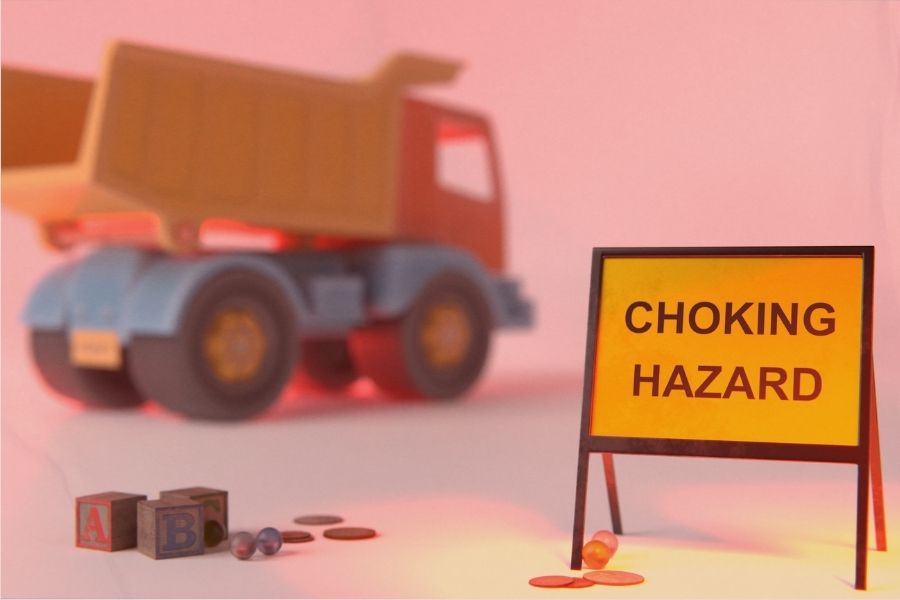
- Choking hazards from small, detachable pieces
- Toxic materials or chemicals that cause burns or skin irritation
- Sharp edges or points that can cut or puncture skin
- Magnet or battery ingestion that can severely damage internal organs
Some defective products have been fatal, with choking on small parts being one of the typical causes. When a toy that should have been safe leads to harm, you may need to seek the help of a personal injury lawyer.
Legal Theories for Defective Toy Lawsuits
In Texas, injured consumers are allowed to pursue compensation when they are harmed by a defective product according to the product liability law. Two common legal theories in these cases are negligence and strict liability for defective toys.
Negligence
A negligence claim requires showing that responsible care was not taken by the manufacturer or another party in the design, manufacturing or marketing of the toy, and that failure caused the injury.
Strict Liability for Defective Toys
According to strict liability, a supplier or manufacturer can be held responsible if a toy was defective when it left their control and directly caused the injury. This can apply even if the company was not negligent in creating or selling it. Strict liability focuses on the condition of the product, not the conduct of the manufacturer.
These two theories may apply in defective toy injury cases, depending on the circumstances. A personal injury lawyer can explain which legal approach would be best based on the facts of your specific case.
When to Consult a Toy Injury Lawyer
Many injuries can come from typical play or misuse, so not every toy injury may qualify as a defective product claim. However, you may consider speaking with a personal injury attorney if:
- A known defect was reported, or the toy was recalled.
- Medical treatment or long-term care was necessary.
- The injury was more serious than general play accidents.
- The product did not have proper warnings or safety instructions.
A personal injury attorney can help evaluate if there is evidence that the product was unreasonably dangerous and identify the parties responsible. This may include designers, manufacturers, distributors or retailers.
Steps to Take After a Suspected Defective Toy Injury
If your child is injured and you believe a defect may be involved, consider these steps:
- Seek medical care – Your child’s health is the first priority. Having a medical record can also document the severity of the injury, which could be important for a toy defect lawsuit.
- Preserve the evidence – In this case, the evidence is the toy. Do not dispose of the product, because its condition can be critical proof.
- Document the scene – Take photos of the item, packaging and any visible injuries.
- Check for recalls – Use the CPSC recall database to look up the toy and find out if it has been flagged.
- Contact a personal injury attorney – An experienced lawyer can help you understand your rights and legal options for possible claims.
Defective Toy FAQ
How is a “defective toy” defined?
A defective toy is one that has a flaw in design, manufacture or warnings that makes it unreasonably dangerous, even when used as intended.
What is the difference between manufacturing vs. design toy defects?
A manufacturing defect is when a product is designed correctly, but an error during production causes it to be made wrong. A design defect means that the product is badly designed and therefore flawed.
Can a manufacturer be held responsible even if no one was negligent?
Yes. Through strict liability for defective toys, manufacturers can be held responsible for harm caused by a product defect regardless of negligence.
What are common types of defective toy injuries?
According to the U.S. Consumer Product Safety Commission 2023 report, some of the most common injuries related to defective toys are:
- Cuts and bruises
- Choking
- Bone fractures
- Strains and sprains
- Internal injury
- Contusions and abrasions
- Ingestion
Are product recalls the same as defective toy claims?
Not entirely. A recall means there is a safety issue, but a defective toy injury claim requires showing that the defect directly caused harm.
How can a personal injury lawyer help after a defective toy injury?
An attorney can gather evidence, identify liable parties and guide you through product liability and insurance claims.
Protecting Children from Defective Toys
Toys may seem harmless, but a defective product can cause serious harm to a child. Understanding how defects occur and your legal options after an injury can help families protect their children and pursue appropriate compensation.
While no parent can anticipate every danger, the U.S. Consumer Product Safety Commission can offer guidance to help reduce toy injuries. If your child has been injured due to a toy defect, reach out to a skilled personal injury attorney at The Carlson Law Firm now.