International rulings continue to spotlight corporate accountability where business dealings intersect with terrorism financing, highlighting the historic significance of these convictions
Publication Date: May 11, 2026
Written By Eddie Ruiz
French Court Convictions Follow Earlier U.S. Proceedings
According to the FBI’s New York Field Office summary published April 30, 2026, a Paris criminal court convicted former senior executives of Lafarge and several intermediaries for their alleged roles in a terrorism financing scheme linked to the company’s operations in Syria during the civil war.
These convictions are the latest development in a case that has drawn international attention to corporate decision making in conflict zones. In related U.S. proceedings, federal prosecutors obtained a guilty plea from Lafarge S.A. and its Syrian subsidiary, Lafarge Cement Syria (LCS), which the U.S. Department of Justice described as the first time a corporation pleaded guilty in the United States to providing material support to designated foreign terrorist organizations.
Allegations Involving ISIS and Syrian Operations
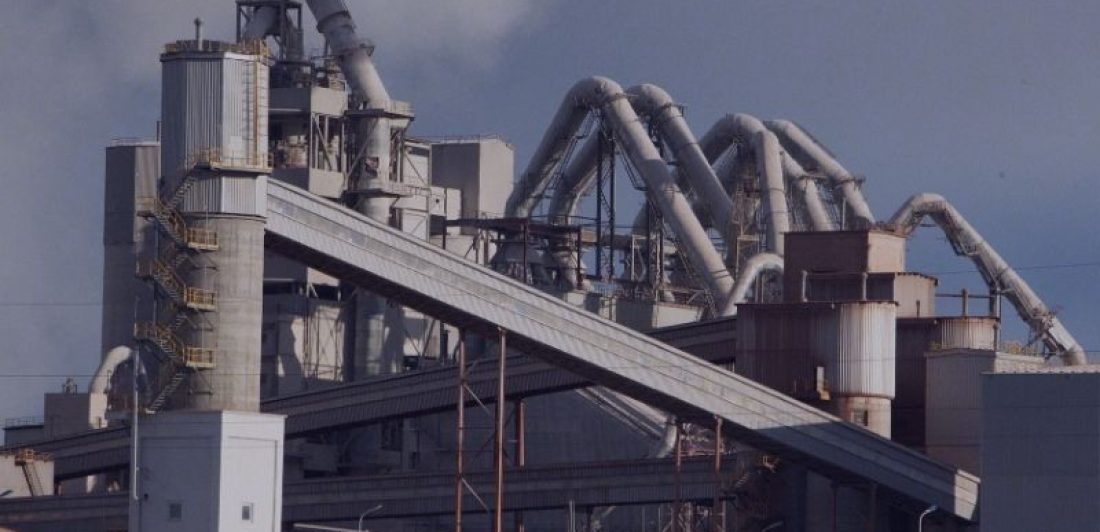
U.S. Department of Justice records state that, between approximately August 2013 and October 2014, Lafarge and Lafarge Cement Syria (LCS), allegedly made payments through intermediaries to armed groups operating in Syria, including ISIS (the Islamic State of Iraq and al-Sham) and the al-Nusrah Front (ANF), an al-Qaeda affiliate in Syria at the time, in an effort to keep a cement plant operating near Jalabiya, Syria. The DOJ stated that these arrangements enabled LCS to generate approximately $70.3 million in revenue during that period.
Federal prosecutors stated that the company paid intermediaries to negotiate arrangements with these groups, allowing employees, suppliers, and commercial operations to continue in territory increasingly controlled by extremist organizations.
The DOJ stated that Lafarge executives were aware that these payments would financially benefit terrorist groups. In some cases, the arrangements allegedly included payments based on cement sales, effectively generating revenue tied to the plant’s continued operations.
The conduct occurred during one of the most violent phases of the Syrian civil war, as ISIS rapidly expanded territorial control across Syria and Iraq.
DOJ Guilty Plea and Financial Penalties
In October 2022, Lafarge pleaded guilty in the United States to one count of conspiring to provide material support to foreign terrorist organizations. As part of the resolution, the Department of Justice said the company agreed to pay approximately $777.78 million in criminal penalties, including a fine and forfeiture.
The Department of Justice noted that Lafarge executives prioritized business interests even after ISIS had publicly engaged in brutal violence, including mass killings, kidnappings of Western citizens, and attacks designed to terrorize civilian populations, raising serious questions about corporate risk assessment, compliance oversight, and decision making in high risk jurisdictions.
Why These Convictions Matter Internationally
Now, French courts have imposed criminal penalties against former executives and intermediaries tied to the same broader conduct.
According to the FBI’s New York Field Office, eight individuals, including former Lafarge CEO Bruno Lafont, were convicted and sentenced to prison terms ranging from 18 months to 7 years, along with a collective fine of (€5.695 million euros).
The convictions reinforce a growing international legal principle, also reflected in 18 U.S.C. §2339B, that entities and individuals who knowingly provide material support, directly or indirectly, to terrorist organizations may be held accountable across jurisdictions. Cases involving terrorism financing are especially significant because they examine whether organizations helped strengthen extremist groups through financial transactions, commercial arrangements, or negligent corporate decision making.
Civil Liability and Potential Legal Claims
Terrorism creates consequences far beyond the battlefield. Families lose loved ones, and survivors may face lasting injuries, trauma, and financial hardship. While governments pursue criminal enforcement, civil legal action may also provide a path to accountability for victims and families, depending on the facts, the forum, and applicable law.
Civil litigation may also provide a path to accountability for affected families and survivors. As international courts continue to address allegations involving material support for terrorism, these cases confirm that responsibility may extend beyond those who commit violent acts directly.
What Victims and Families Should Know
If you or your family have been impacted by acts of terrorism in Iraq or Syria between 2013 – 2017 and would like to understand potential legal options, speaking with qualified counsel can help clarify next steps. The Carlson Law Firm’s Anti Terrorism Team is actively pursuing litigation against Lafarge to obtain justice on behalf of its clients.
Learn more and schedule a free, no obligation consultation at:
https://www.carlsonattorneys.com/lafarge-anti-terrorism-lawsuit/.
This article is for informational purposes only and is not legal advice.