

A traumatic brain injury (TBI) can have lasting medical and emotional consequences, not to mention the financial costs. A traumatic brain injury lawsuit may be an option if your injury was caused by another party’s negligence.
If you or a loved one suffered a TBI after an accident, you may be entitled to compensation. The Carlson Law Firm can provide compassionate legal support to evaluate your traumatic brain injury claim and explain your options under Texas law.
What Causes Traumatic Brain Injury?
A traumatic brain injury is when there is a disruption in the normal function of the brain that is caused by a blow to the head or a penetrating head injury. Many times TBIs are the result of motor vehicle collisions, sports and slips and fall accidents.
The Centers for Disease Control and Prevention (CDC) reports that approximately 5.3 million Americans are living with a Traumatic Brain Injury (TBI)-related disabilities. The severity of the injury and what parts of the brain are injured can cause major emotional and behavioral changes.
When Is a Traumatic Brain Injury Lawsuit Appropriate?
Not every accident results in legal action, because it must be proven that negligence is directly caused by the negligence of another party. A traumatic brain injury lawsuit may be appropriate when:
- Unsafe property conditions led to a slip and fall accident
- A defective product contributed to the injury
- Another person or company acted negligently
- A driver caused a collision
- Workplace safety standards were violated
To pursue a traumatic brain injury lawsuit, you generally must establish that another party’s actions directly caused your injury and resulted in measurable damages.
Possible Effects of a Traumatic Brain Injury Case
Every traumatic brain injury claim is unique and may cause changes that affect individuals differently. Some injuries may last for a short period of time while others are permanent. A TBI may cause several issues affecting the following:
- Cognitive function
- Motor function
- Sensation
- Emotion
A TBI also has the potential of causing epilepsy and, according to the CDC, increasing the risk of conditions such as Parkinson’s disease and Alzheimer’s disease.
What Must Be Proven in a Traumatic Brain Injury Lawsuit?
Like other personal injury claims, filing a TBI lawsuit in Texas typically requires proof of four elements:
- Duty of care
- Breach of that duty
- Causation
- Damages
TBIs can involve complex neurological effects, so a traumatic brain injury claim usually relies on medical records, expert testimony and diagnostic imaging to demonstrate the full scope of harm. A personal injury lawyer can help navigate the process with compassion and legal knowledge.
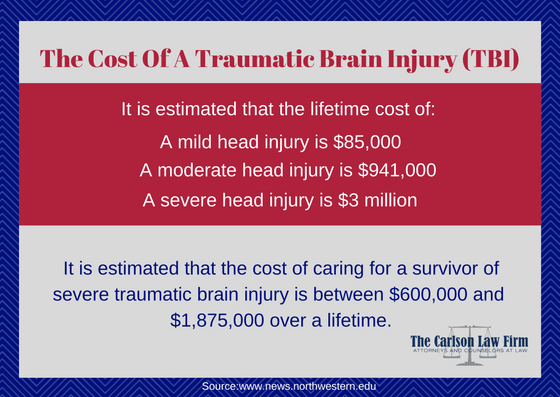
Lifetime Costs Associated with Traumatic Brain Injuries
TBI-related expenses do not stop after the patient sees a healthcare professional. Instead, long-term rehabilitation is often necessary for more severe TBI cases to maximize function and independence.
A report by the National Library of Medicine found that traumatic brain injuries in the United States cost millions each year for care and rehabilitation.
Potential Brain Injury Compensation
A traumatic brain injury can require extensive treatment and long-term care. Depending on the circumstances of your case, a TBI lawsuit in Texas may seek compensation for:
- Emergency medical treatment
- Future medical expenses
- Reduced earning capacity
- Ongoing rehabilitation and therapy
- Lost wages
Brain injury compensation usually includes projected future costs, especially when permanent disability or cognitive impairment is involved.
Damages in a Brain Injury Lawsuit
Unlike visible physical injuries, TBIs may not present immediate or obvious symptoms. Some individuals experience cognitive effects, like mood changes or delayed concussion symptoms, weeks or months after the incident. Evidence that can strengthen a traumatic brain injury lawsuit may include:
- MRI or CT scan results
- Accident reports
- Documentation of employment
- Emergency room and hospital records
- Neuropsychological testing
- Witness statements
A traumatic brain injury claim typically requires economic assessments of future losses and detailed neurological evaluation by medical experts. Establishing long-term damages in a brain injury lawsuit is one of the most important aspects of these cases.
Understanding Legal Options After a Traumatic Brain Injury
If someone else’s negligence caused your injury, you may have the right to pursue a traumatic brain injury lawsuit to recover damages. Every case depends on specific facts, medical findings and applicable law.
A brain injury attorney at The Carlson Law Firm can evaluate the facts of your case and determine whether legal action is appropriate. Contact The Carlson Law Firm today and schedule a free consultation.