Texas Jury Awards $61M in Products Liability Case Against Honda After Car Wreck |
Home - Practice Areas - Dram Shop Lawyer
Reviewed by Michael Erskine | Texas Personal Injury Attorney | Last Reviewed Oct. 2026

An alcohol-related accident can involve more than the person who caused the injury. Under certain circumstances, a business that sold or served alcohol may also be legally responsible when an intoxicated customer later causes harm.
Texas dram shop law establishes requirements for these claims. Liability is not automatic just because a bar, restaurant or other business served alcohol to someone who later caused an accident.
The Carlson Law Firm represents people pursuing personal injury claims involving alcohol-related accidents throughout Texas. Our dram shop lawyers can investigate where and how alcohol was provided, identify potentially responsible parties and help determine whether a dram shop claim or other legal options may be available.
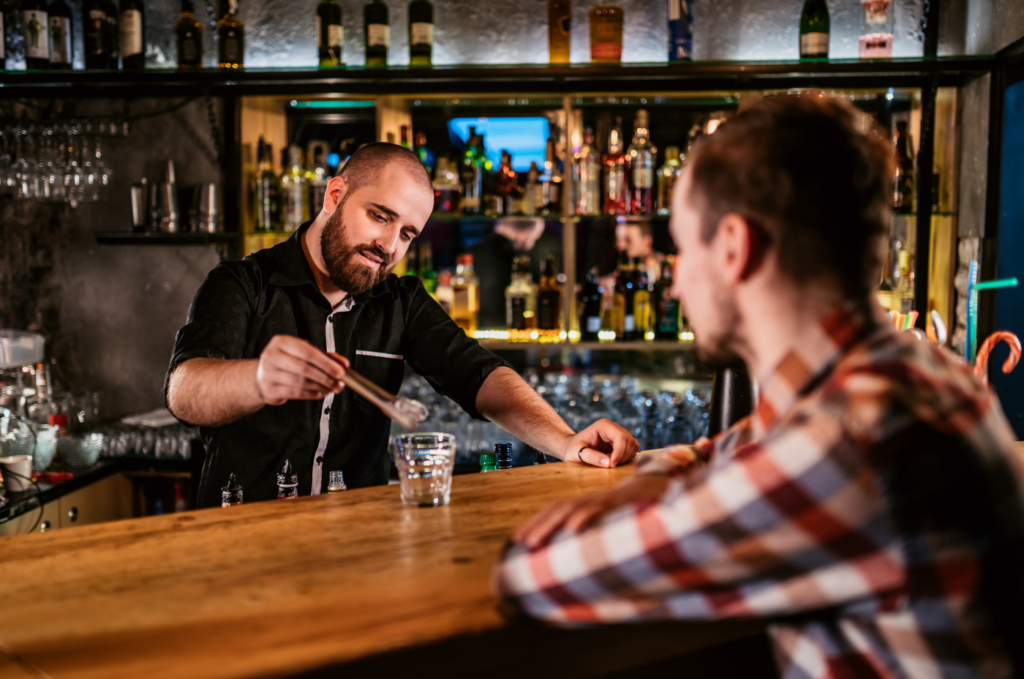
A dram shop claim is a legal action involving the sale or service of alcohol to a person whose intoxication later causes injury or other damages. In Texas, these claims are governed by Chapter 2 of the Texas Alcoholic Beverage Code.
Dram shop claims may also apply in certain non motor vehicle injury cases. The main questions include whether the alcohol provider met the requirements for liability under Texas law and whether the recipient’s intoxication was a proximate cause of the resulting damages.
The Texas Alcoholic Beverage Code (TABC) defines an alcohol “provider” to include a person who sells or serves alcohol under an applicable license or permit, or someone who otherwise sells alcohol to an individual.
Serving alcohol to someone who later causes an accident does not automatically make a bar or restaurant liable. Under the Texas Dram Shop Act, providing, selling or serving alcohol may support a claim when:
Both requirements matter. Evidence that someone consumed alcohol at an establishment or was intoxicated later does not automatically establish that the person’s obvious intoxication was apparent to the provider when alcohol was being served.
Because dram shop liability depends heavily on the circumstances surrounding the alcohol service, investigating what happened inside the establishment can be an important part of evaluating a potential claim.
Texas dram shop cases focus on whether the person’s intoxication was apparent to the alcohol provider when the alcohol was provided. The law requires more than showing that the person had been drinking or was later found to have a high blood alcohol concentration.
What evidence is relevant depends on the circumstances from the period when alcohol was being served. Evidence that may help establish how the person appeared and behaved includes:
Evaluating the available evidence concerning both the person’s condition and what was apparent to the provider at the relevant time is required to determine if the statutory standard can be met.
Texas law separately addresses situations in which an adult provides alcohol to a minor under 18. An adult who is 21 or older may be liable for damages proximately caused by the minor’s intoxication when the adult knowingly provided alcohol that contributed to the intoxication or knowingly allowed the alcohol to be provided on premises the adult owned or leased.
The statute does have exceptions for certain adults, including the minor’s parent, guardian or spouse. Claims involving alcohol provided to minors have different requirements from a dram shop claim against a commercial alcohol provider.
An attorney can review who supplied the alcohol, where it was provided and the circumstances surrounding the incident to determine which legal provisions may apply.
Dram shop cases can require investigating both the accident that caused the injuries and the events that occurred before it. An attorney can evaluate the available evidence and determine whether an alcohol provider or other party may bear legal responsibility.
Depending on the case, a dram shop lawyer may:
Determine which businesses or individuals provided alcohol before the incident.
Review available evidence concerning what was served and the recipient's condition at the relevant time.
Request surveillance footage, receipts, tabs, transaction records and other potentially relevant documentation.
Identify people who may have observed the recipient before, during or after alcohol was provided.
Examine police reports, photographs, video, toxicology evidence and other records related to the incident.
Evaluate potential claims involving the intoxicated person, an alcohol provider or other parties.
Review medical expenses, lost income and other effects associated with the injuries.
Handle communications, negotiations and litigation when warranted by the circumstances.
Evidence concerning what happened before an alcohol-related accident can be important to determine if a dram shop claim may be available. Because Texas law focuses in part on what was apparent to the provider when alcohol was served, evidence from the establishment can be crucial.
Depending on the circumstances, relevant evidence may include:
Some evidence can be discarded or become harder to obtain over time, especially cameras that are routinely overwritten. A dram shop lawyer can investigate potentially relevant evidence and take steps to preserve it.
When an intoxicated person, alcohol provider or another party is legally responsible for an injury, compensation may be available for losses resulting from the incident. Potential damages may include:
The damages available depend on the injuries, losses, parties involved and legal claims supported by the evidence.
Many dram shop claims come after an intoxicated driver causes a serious or fatal collision. In these cases, the driver’s conduct and the alcohol provider’s potential liability involve separate legal questions.
A claim against the intoxicated driver may focus on the driver’s actions leading to the collision. A dram shop claim against an alcohol provider requires evidence that satisfies the requirements of Texas law.
Investigating both issues can help identify the parties and sources of recovery that may be available after a drunk driving accident. Important evidence can include where the driver was before the collision, who provided alcohol and how the driver appeared while being served.
Possibly, but serving someone multiple drinks or serving someone who later becomes intoxicated does not automatically establish dram shop liability.
Texas law requires evidence that, when the alcohol was provided, it was apparent to the provider that the person was obviously intoxicated to the extent that the person presented a clear danger to themselves and others. The person’s intoxication must also have been a proximate cause of the damages.
Potentially. The intoxicated person’s responsibility and an alcohol provider’s potential liability involve different legal issues. Depending on the evidence, an injured person may have claims involving more than one party. An attorney can investigate the circumstances and determine which claims may be available.
Texas dram shop law is not limited to motor vehicle collisions. Whether a claim may be available depends on the alcohol service, the recipient’s intoxication, how the injury occurred and whether the statutory requirements can be established.
Texas generally has a two-year limitations period for personal injury claims. However, determining when a claim accrues and whether an exception or another deadline applies depends on the circumstances. A dram shop lawyer can determine which filing deadlines apply to a particular case.
Seek appropriate medical care and keep records related to the accident and your injuries. If you know where the intoxicated person was drinking before the incident, preserve any information you have about the establishment, witnesses or events leading up to the accident.
Because surveillance footage and other evidence can be overwritten or become more difficult to obtain over time, it can be important to investigate a potential dram shop claim as soon as possible.
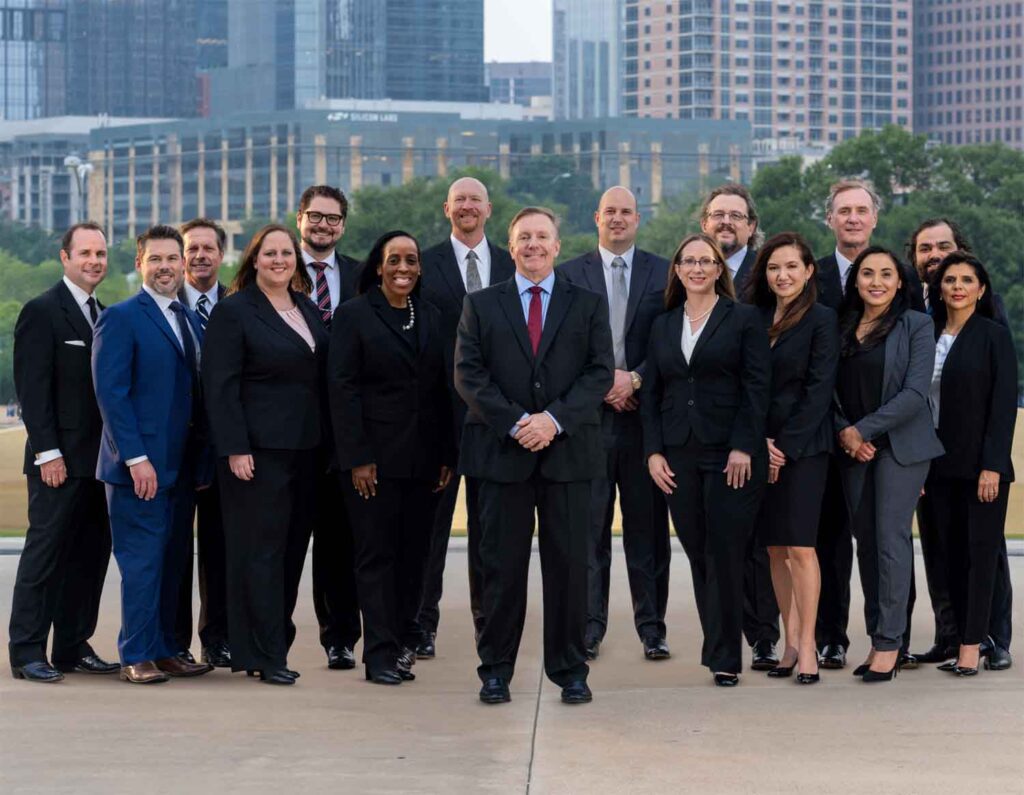
The Carlson Law Firm represents injured people and families throughout Texas.
Our dram shop attorneys investigate alcohol-related injury claims involving bars, restaurants and other alcohol providers when the circumstances may support liability under Texas law.
Alcohol-related accidents can cause serious injuries and lasting financial and personal consequences. When another person’s intoxication contributed to an accident, determining where the alcohol came from and how it was provided may reveal additional legal options.
The Carlson Law Firm can investigate the circumstances, identify potentially responsible parties and help determine whether a claim under Texas dram shop law may be available. Contact The Carlson Law Firm to schedule a free consultation with a Texas dram shop lawyer.
With 18 locations throughout Texas, there’s a Carlson Law Firm near you. We have law offices located in Killeen, Temple, Waco, Round Rock, Austin, San Antonio, Laredo, Bryan, Lubbock, Midland, and Corpus Christi.