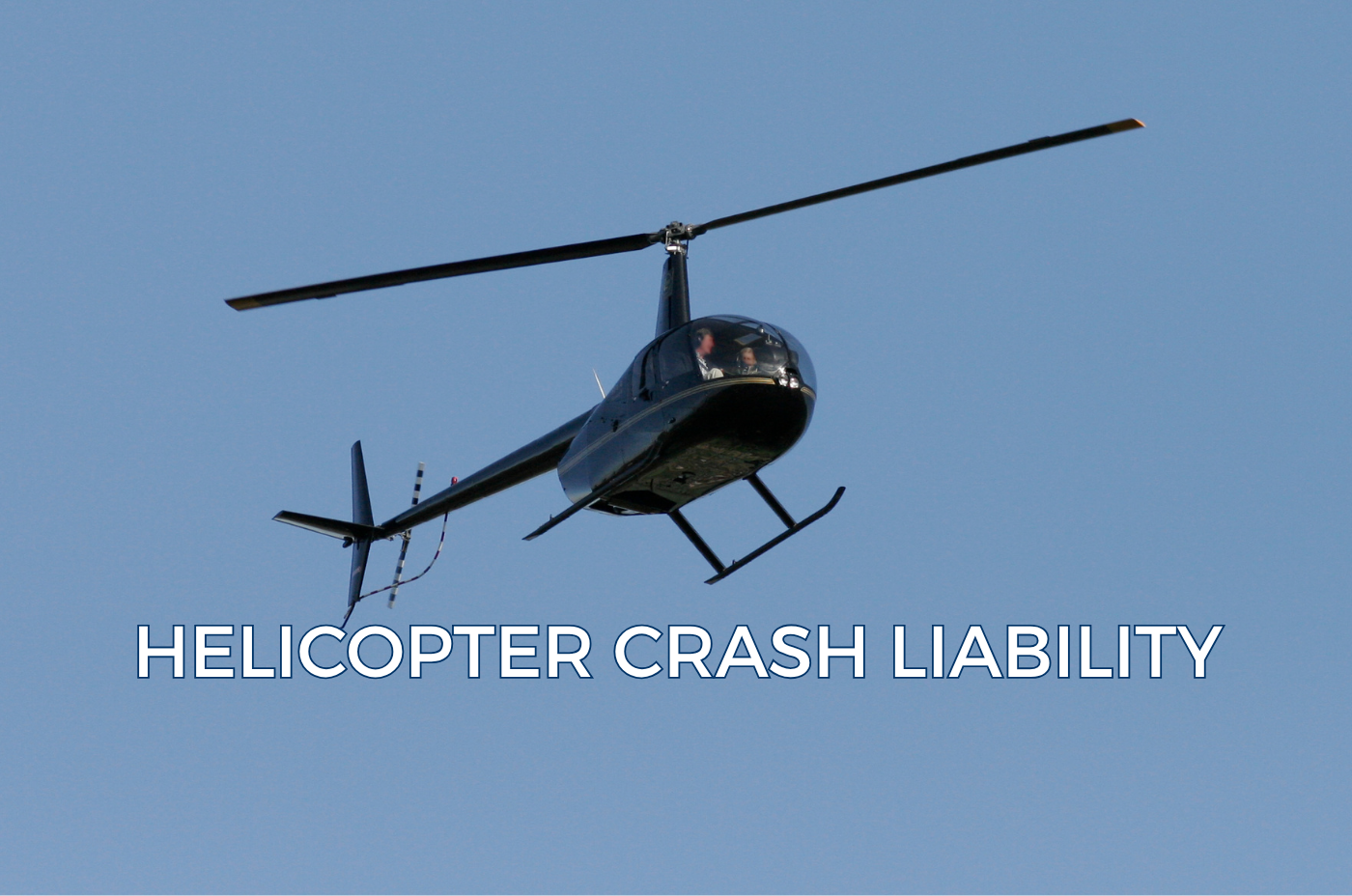
Helicopter Accident Liability Depends on What Caused the Crash
A helicopter crash can leave injured passengers and grieving families searching for answers about what went wrong and who may be responsible. Unlike many accidents involving a single negligent party, aviation accidents can involve pilots, operators, aircraft owners, manufacturers, maintenance providers and other companies responsible for keeping an aircraft safe.
Determining liability usually begins with identifying what caused or contributed to the crash. Pilot error can be responsible in some cases, while others may involve mechanical failures, defective components, improper maintenance or a combination of factors.
Because multiple parties can play a role in the operation and maintenance of a helicopter, identifying who may be legally responsible often requires a detailed investigation.
Who May Be Responsible for a Helicopter Crash?
There is no single party automatically responsible when a helicopter crashes. Potential liability depends on the circumstances surrounding the accident and the relationship between the people and companies involved.
In some cases, more than one party may share responsibility. Depending on what an investigation uncovers, potentially responsible parties may include:
- The helicopter pilot
- The aircraft operator
- The helicopter owner
- An employer
- The helicopter manufacturer
- A component or parts manufacturer
- A maintenance or repair company
- Another third party whose actions contributed to the crash
Can a Helicopter Pilot or Operator Be Liable?
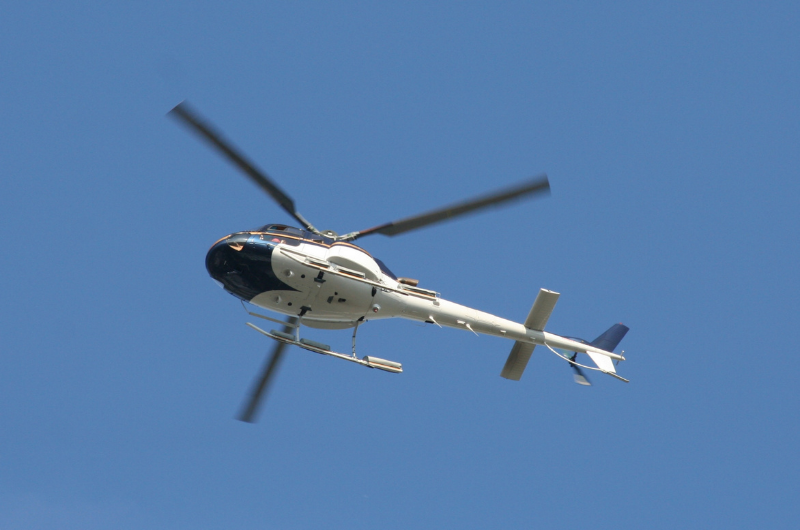
Pilots and helicopter operators are responsible for safely conducting flights and following aviation regulations and procedures. An investigation may examine whether a pilot or operator made decisions that contributed to a crash, including issues like:
- Flight planning
- Weather conditions
- Aircraft weight and balance
- Fuel requirements
- Preflight inspections
- Training and qualifications
- Communication
- Response to an in-flight emergency
A pilot's actions are not necessarily the only factor under evaluation. The company operating the helicopter may also have responsibilities involving pilot training, aircraft safety and operational procedures.
Can the Helicopter Owner Be Held Responsible?
The person or company that owns a helicopter may be different from the pilot or business operating it. Ownership alone does not necessarily establish liability, and whether an owner may be responsible depends on the circumstances.
Investigators may examine who was responsible for maintaining the aircraft, selecting an operator or pilot, addressing known safety concerns and ensuring required inspections were completed. The owner’s actions and responsibilities involving the aircraft should also be considered.
Can a Helicopter Manufacturer Be Liable for a Crash?
Some helicopter crashes raise questions about whether the aircraft or one of its components failed. A manufacturer could potentially face a product liability claim when a defective aircraft, system or component contributes to an accident.
Depending on the circumstances, allegations could involve:
- Defective design
- Manufacturing defects
- Defective rotor or transmission components
- Engine failures
- Flight control system failures
- Fuel system defects
- Electrical or hydraulic failures
- Inadequate warnings or instructions
Component manufacturers can also become relevant when another company produced the specific part that failed. However, a mechanical failure does not automatically mean a product was defective.
Investigators may need to determine whether the failure resulted from the original design or manufacturing process, improper maintenance, damage, wear or another cause.
Can a Maintenance or Repair Company Be Responsible?
Helicopters depend on regular inspections and maintenance to identify problems before they become dangerous. A company or individual responsible for maintaining an aircraft could potentially be liable if negligent maintenance contributes to a crash. Examples can include:
- Improperly installing a component
- Failing to complete required maintenance
- Overlooking signs of deterioration
- Performing an inadequate repair
Maintenance records can become especially important when investigators are trying to determine the history of a component or mechanical problem. Aviation investigations routinely examine aircraft maintenance records and individual components.
Improper maintenance has been identified as a contributing or causal factor of previous helicopter accidents. Responsibility can become more complicated when different companies perform maintenance, inspections and repairs on the same aircraft.
Can an Employer Be Liable After a Helicopter Accident?
Many helicopters are operated as part of a business. They can be used for transportation, emergency medical services, construction, utility work, tourism, news reporting and other commercial purposes.
When a pilot or another employee contributes to an accident while performing work-related duties, the employer may become part of the liability analysis. An investigation can examine whether the employer’s own practices contributed to the crash, such as:
- Inadequate training
- Unsafe operational policies
- Failures involving aircraft maintenance
Whether an employer can be held responsible depends on the facts of the accident and applicable law.
Can Multiple Parties Share Responsibility for a Helicopter Crash?
Yes, because aviation accidents can result from a chain of events instead of one isolated mistake. For example, an investigation could identify a mechanical problem while also raising questions about whether the problem should have been discovered during an earlier inspection.
Another crash may involve both a defective component and the decisions made after the pilot encountered that malfunction. To determine liability, every possible contributing factor needs to be evaluated to find how it may relate to the accident.
What Evidence Can Help Determine Who Was Responsible?
Investigating a helicopter crash can require examining evidence from the aircraft, its operation and its history. Depending on the accident, relevant information may include:
- Aircraft wreckage
- Maintenance and inspection records
- Pilot training and flight records
- Aircraft and component history
- Flight tracking or recorded data
- Air traffic control communications
- Weather information
- Witness statements
- Photographs and videos
- Manufacturer information
- Previous repairs or component replacements
National Transportation Safety Board aviation investigation records demonstrate the range of material that can become relevant. Helicopter accident dockets can include wreckage examinations and component testing. The evidence needed in a particular case depends on what happened and what potential causes investigators identify.
What Compensation May Be Available After a Helicopter Crash?
A helicopter crash can cause catastrophic or fatal injuries. When another party's negligence or a defective product causes an accident, injured people may be able to pursue compensation for damages that can include:
- Medical expenses
- Future medical care
- Lost income
- Reduced earning capacity
- Pain and suffering
- Permanent disability or impairment
- Other damages available under applicable law
When a helicopter crash results in a death, surviving family members may have the right to pursue a wrongful death claim. Available damages and who is eligible to bring a claim depend on the law that applies to the case.
Frequently Asked Questions About Helicopter Crash Liability
Is the pilot always responsible for a helicopter crash?
No. Pilot error can be a potential cause, but helicopter crashes sometimes involve mechanical problems, defective products, negligent maintenance or other factors. An investigation may identify multiple contributing causes.
Can you sue a helicopter manufacturer after a crash?
Possibly. If evidence indicates that a defective helicopter or component contributed to the crash, the manufacturer or another company in the product's chain of distribution can potentially face a product liability claim. Whether a claim exists depends on the facts and applicable law.
Who investigates helicopter crashes?
The National Transportation Safety Board investigates civil aviation accidents in the United States and determines probable cause. Other government agencies can also have roles depending on the circumstances.
Can more than one company be liable for the same helicopter crash?
A helicopter accident can involve multiple contributing factors and parties. Determining responsibility requires examining the role each party played in causing or contributing to the accident.
Speak With a Helicopter Crash Lawyer
Determining who may be responsible for a helicopter crash can require an examination of the actions of pilots and operators. The aircraft’s design, components, maintenance and repair history may also be evaluated.
The Carlson Law Firm represents people and families harmed by negligence and defective products. If you or a loved one was injured in a helicopter accident, speaking with an attorney can help you understand how liability may apply and what legal options may be available.