After a helicopter crash, examining the wreckage at the scene of the accident might not be enough to determine what happened. Investigators may evaluate evidence including the aircraft's mechanical systems, maintenance history and weather conditions to reconstruct the events leading up to the accident.
For civil aviation accidents in the United States, the National Transportation Safety Board (NTSB) investigates accidents to determine their facts, circumstances and probable causes.
The Federal Aviation Administration (FAA) can also participate in aviation accident investigations and has responsibilities involving aviation safety and regulation.
A helicopter crash investigation can take months or longer to complete, especially when investigators need to test damaged components, review extensive records or evaluate several possible causes.
Who Investigates a Helicopter Crash?
The NTSB investigates civil aviation accidents in the United States. The agency's purpose is to:
- Establish the facts and circumstances surrounding an accident
- Determine probable cause
- Identify safety measures that could help prevent similar accidents
- Determine the appropriate response based on the circumstances of an accident
The FAA also has a role in aviation accident investigations. When the NTSB leads an investigation, the FAA is automatically designated as a party and can provide technical expertise and information.
For serious accidents, investigators with different areas of expertise may be sent to the scene. Depending on the circumstances, manufacturers, operators and other organizations with relevant technical expertise may also be designated as parties to an NTSB investigation.
What Happens at the Helicopter Crash Site?
The accident scene can provide investigators with some of their earliest evidence about what happened. During the fact-gathering phase, investigators may document and examine the wreckage and surrounding area.
The scope of the investigation depends on the nature and complexity of the accident. Investigators may look for evidence involving:
- The location and distribution of wreckage
- Damage to the helicopter
- Rotor and flight-control components
- Engine and drivetrain components
- Fuel systems
- Electrical and hydraulic systems
- Signs of fire or structural failure
- Impact damage
- Nearby terrain or obstacles
In some cases, the wreckage itself can help investigators determine whether a component failed before impact or was damaged as a result of the crash. Important components may also be removed from the scene for additional examination or laboratory testing.
What Records Do Helicopter Crash Investigators Review?
Not every important piece of evidence is found at the accident site. Investigators can continue gathering information after leaving the scene, including flight logs, maintenance records and interviews.
Depending on the accident, records under review may include:
- Aircraft maintenance and inspection records
- Pilot flight and training records
- Aircraft registration information
- Previous repair records
- Component histories
- Flight planning information
- Weather reports
- Air traffic control communications
- Operator records and procedures
These records can help investigators understand the condition of the helicopter before the accident and whether earlier events could have contributed to what happened.
How Are Mechanical Failures Investigated?
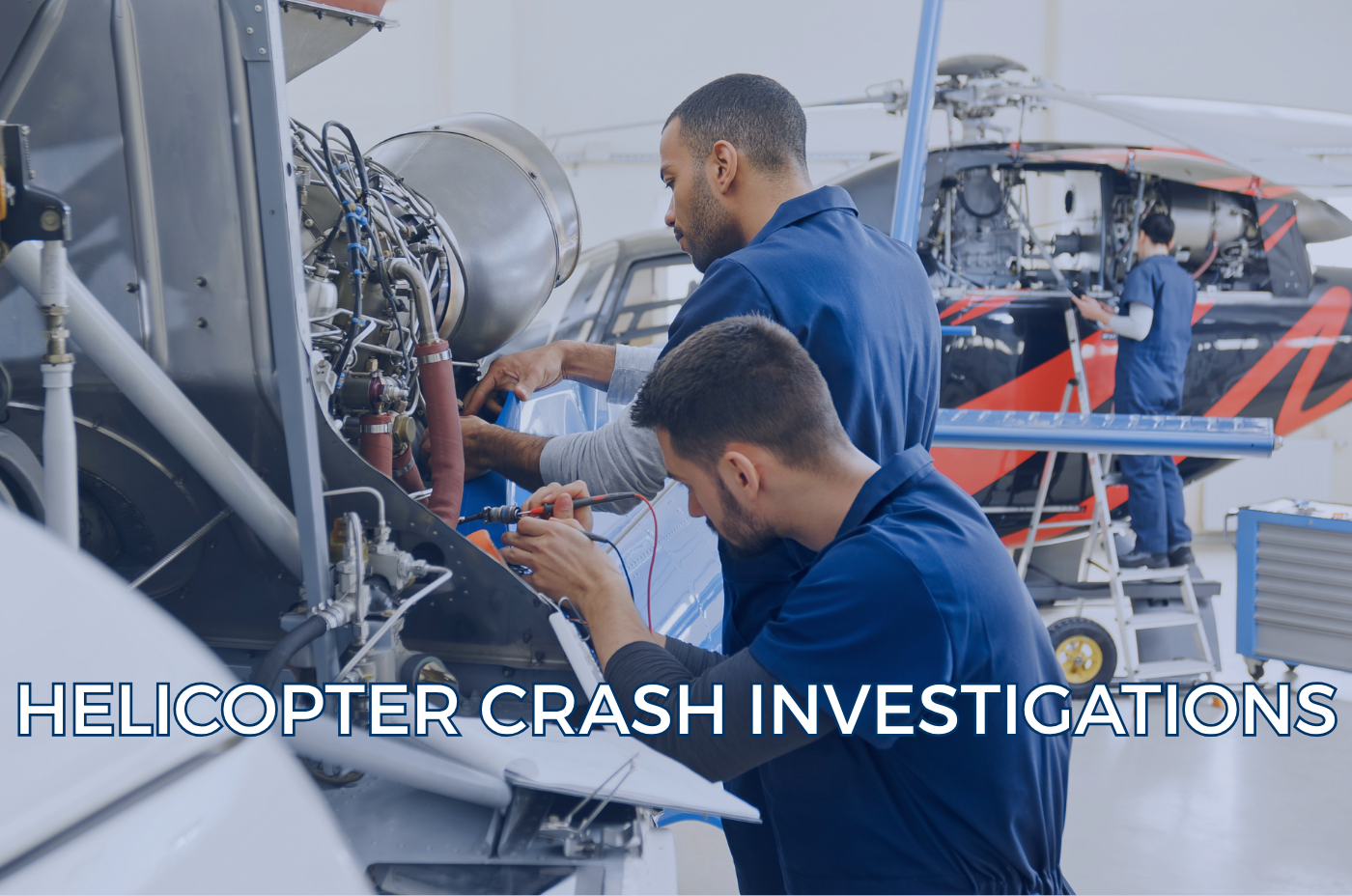
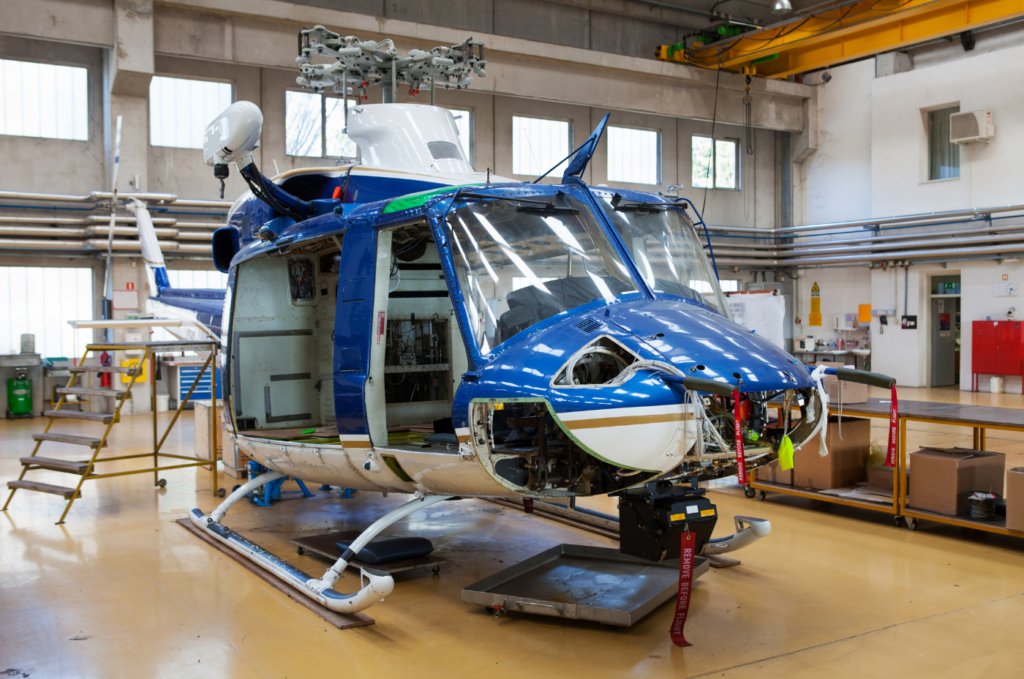
When investigators suspect a mechanical problem, individual systems or components could require detailed examination. An engine, transmission, rotor component or other part may be examined or disassembled to look for evidence of failure, damage or abnormal wear.
NTSB investigative teams can continue their work away from the accident scene, including engine teardowns and examinations performed at manufacturer or overhaul facilities. Investigators may need to distinguish between damage that caused or contributed to the accident and damage that occurred during impact.
That distinction can also become important when an accident raises questions about a potentially defective aircraft or component. Evidence showing how and why a component failed can become relevant to a potential product liability claim.
How Do Investigators Evaluate Pilot Actions?
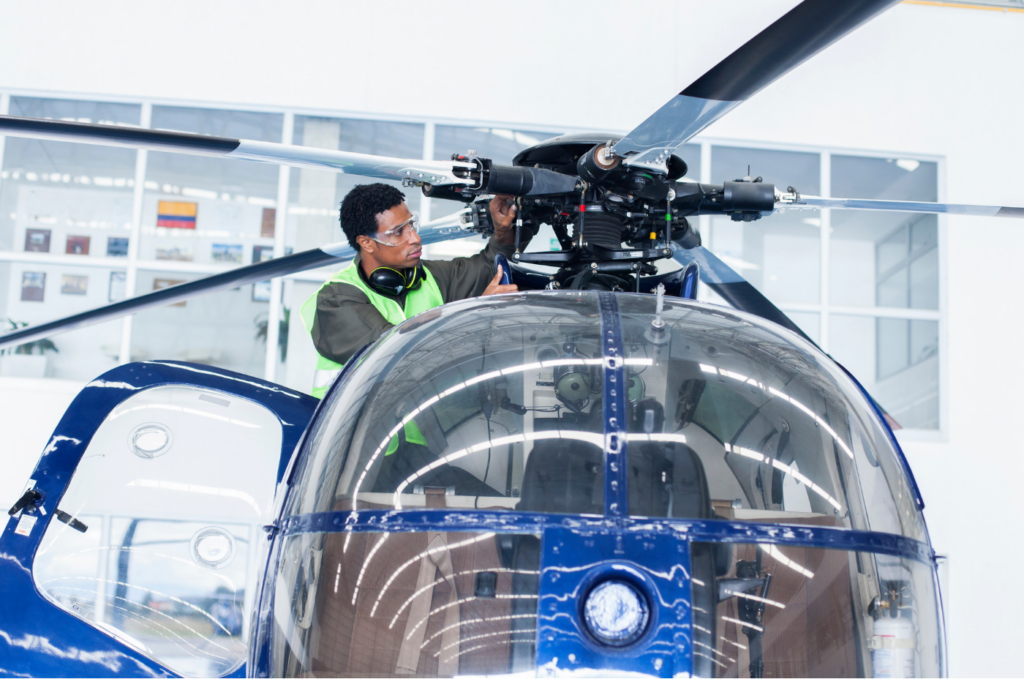
Helicopter investigations do not focus only on the aircraft. Investigators can also examine the decisions and actions of the pilot and operator before and during the flight. Depending on the circumstances, investigators may consider:
- Pilot training and experience
- Certifications and qualifications
- Recent flight experience
- Flight planning
- Weather information available before the flight
- Communications
- Aircraft weight and balance
- Operational procedures
- Decisions made during an emergency
- Human-performance factors
The NTSB's investigative teams can include human-performance specialists who examine issues involving training, workload, medical history and the working environment.
Evaluating pilot actions does not necessarily mean investigators believe pilot error caused the crash. Aviation accidents can involve several interconnected factors, and investigators may evaluate human actions alongside mechanical, environmental and operational evidence.
Are Helicopters Equipped with Black Boxes?
Not every helicopter carries the flight data recorder and cockpit voice recorder commonly associated with large commercial airplanes. Whether recording equipment is required or available depends on the aircraft and its operation.
Even when traditional flight recorders are unavailable, investigators may be able to obtain information from other sources. Depending on the helicopter, evidence could potentially come from:
- Onboard systems
- GPS equipment
- Electronic devices
- Air traffic control information or other recorded data
When recorder data is available, NTSB specialists can analyze it along with physical evidence and other information collected during the investigation.
How Long Does a Helicopter Crash Investigation Take?
An answer may not be immediately available after an aviation accident. The NTSB says most aviation investigations can take around one or two years because of their potential complexity.
The exact timeline varies depending on the accident and the investigation required. The agency may release several types of information during that period. However, investigators do not determine the cause of an accident while still at the scene.
A preliminary report generally provides facts gathered during the early stages of the investigation. According to the NTSB, preliminary reports in many aviation cases are available within about two weeks.
An accident docket can later contain factual materials gathered during the investigation. The final report provides the agency’s analysis, findings and determination of probable cause.
Does an NTSB Investigation Determine Who Is Legally Liable?
No, though this is a common misconception. The NTSB determines probable cause, but its investigation is not conducted to assign legal fault, liability or blame. It focuses on understanding transportation accidents and improving safety.
A separate legal investigation may examine the same evidence while asking different questions. For example, an NTSB investigation can identify mechanical failure as part of what led to an accident.
Determining whether that failure could support a legal claim can require additional examination of the helicopter’s design, manufacturing, maintenance and repair history. Evidence concerning pilot actions could also become relevant when identifying who may be held liable after a helicopter crash.
Can Evidence From a Helicopter Investigation Be Used in a Legal Claim?
Information gathered after a helicopter crash can help attorneys and other experts understand the circumstances surrounding the accident. However, the rules governing the use of NTSB materials and findings in civil litigation can be complicated.
A legal investigation may independently examine:
- Aircraft and component evidence
- Maintenance records
- Operator records
- Pilot information
- Witness accounts
- Photographs and video
- Manufacturer records
- Available electronic or flight information
The evidence needed depends on the potential cause of the crash and the parties that may have been responsible for the aircraft's operation, manufacture or maintenance.
Frequently Asked Questions About Helicopter Crash Investigations
Who is in charge of investigating a helicopter crash?
For civil aviation accidents, the NTSB investigates to determine the facts, circumstances and probable cause. The FAA can also participate and is automatically part of an NTSB investigation.
How soon does the NTSB determine what caused a helicopter crash?
The NTSB does not determine probable cause at the accident scene. A preliminary report may be available within weeks, but a final investigation can take much longer. In general, aviation investigations typically take around 12 to 24 months.
Does the preliminary NTSB report identify who caused the crash?
In most cases, no. A preliminary report provides early facts and should not be confused with the final determination of probable cause.
Can a helicopter manufacturer participate in an NTSB investigation?
Possibly. The NTSB may designate manufacturers and other organizations as parties when they can provide technical expertise. Parties help with factual information under NTSB oversight but do not participate in the NTSB's analysis and report-writing phase.
Does the NTSB decide whether a pilot, operator or manufacturer can be sued?
No. NTSB investigations do not determine legal rights, liability or blame. Those questions require a separate legal analysis.
Speak With a Helicopter Crash Lawyer
A helicopter accident investigation can involve physical evidence, technical analysis and various records. While government investigators focus on determining what happened and improving aviation safety, families may have separate questions about their legal rights.
The Carlson Law Firm represents people and families harmed by negligence and defective products. If you or a loved one was injured in a helicopter accident, speaking with an attorney can help you understand the investigative process, how liability may apply and potential legal options.