As families prepare for a new school year, there is a lot to think about beyond supplies and class schedules. More children will soon be walking through neighborhoods, waiting at bus stops and crossing busy streets during the morning and afternoon.
Taking time to review pedestrian safety before the first day of school can help children travel to and from school more safely. Whether your child walks to school, rides the bus, bikes or is just beginning to drive, every trip comes with different safety challenges.
Conversation and practice can go a long way toward helping children recognize potential dangers and make safer decisions around traffic.
Back-to-School Safety at a Glance
According to the National Highway Traffic Safety Administration, there were 71,000 pedestrian injuries nationwide in 2024. Before school starts, make sure your family remembers these basic safety tips:
- Walk on sidewalks whenever they're available.
- Cross at marked crosswalks whenever possible.
- Look left, right and left again before crossing the street.
- Stay alert and avoid phones or headphones near traffic.
- Wear a properly fitted helmet when riding a bicycle or scooter.
- Slow down and pay close attention in school zones.
Riding the School Bus Safely
For many students, the school bus is the safest way to travel to and from school. While riding the bus itself is generally very safe, children face the greatest risk while getting on or off the bus and crossing nearby streets.
Before school begins, review these school bus safety habits with your child:
- Stand at least five giant steps away from the curb while waiting for the bus.
- Wait until the bus comes to a complete stop before approaching.
- Board only after the doors open and the driver signals it's safe.
- After getting off the bus, walk at least five giant steps away before turning around.
- Never cross behind a school bus.
- Make eye contact with the driver before crossing in front of the bus, and only cross after receiving a signal.
Practicing these bus safety routines can help children know what to expect each morning instead of making decisions in the moment.
Bicycle, Scooter and Skateboard Safety
Many children enjoy riding a bicycle, scooter or skateboard to school. While these can be fun and healthy ways to travel, they also require children to share space with vehicles, pedestrians and other cyclists. Parents can reinforce these bicycle safety tips by reminding children to:
- Wear a properly fitted helmet every time they ride.
- Keep the chin strap securely fastened.
- Ride in the same direction as traffic.
- Use bike lanes whenever they're available.
- Watch carefully for pedestrians when using sidewalks.
- Put phones and other electronic devices away while riding.
- Learn and follow common traffic signs and signals.
Younger riders may also benefit from practicing their route with an adult before traveling independently, especially since collisions with vehicles can result in traumatic brain injuries and other serious injuries.
Walking to School Safely
Walking to school gives children an opportunity to be independent, but it also requires them to recognize traffic hazards and make good decisions at every intersection. Understanding pedestrian safety can help reduce the risk of accidents and serious injuries.
Most children younger than 10 are still developing the ability to judge the speed and distance of approaching vehicles. Walking with an adult until they are ready to navigate traffic on their own can help build those skills safely.
If your child walks to school, encourage them to:
- Look left, right and left again before crossing every street.
- Continue watching for traffic while crossing.
- Use sidewalks whenever possible.
- Walk facing traffic if no sidewalk is available.
- Cross at marked crosswalks whenever they can.
- Stay focused instead of playing or roughhousing near traffic.
- Watch carefully around parked vehicles that may begin moving unexpectedly.
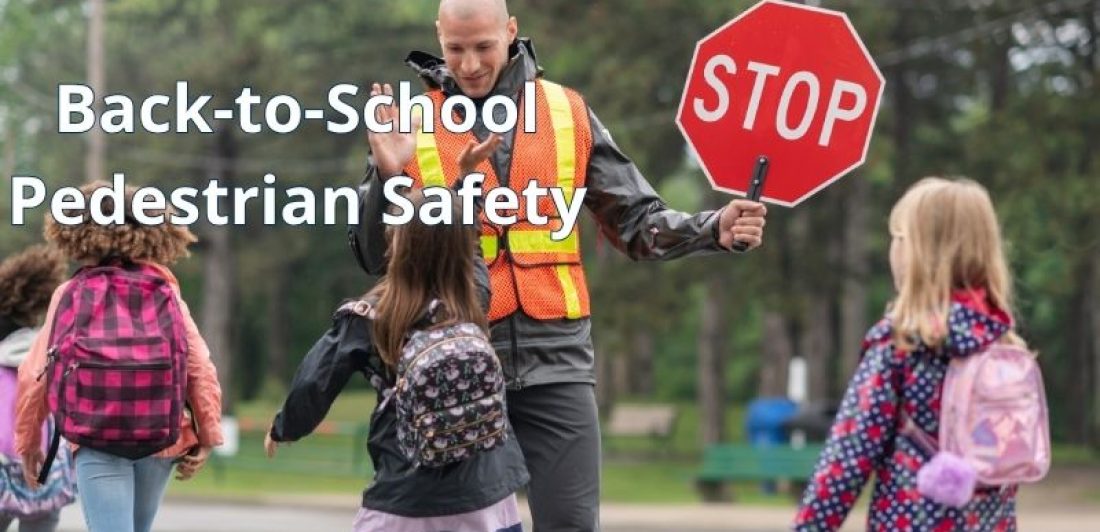
Walking the route together before school starts also gives parents an opportunity to point out busy intersections, crossing guards and other areas that deserve extra attention.
School Zone Safety Matters
The first few weeks of school are often the busiest time around school campuses. Paying attention to school zone safety becomes even more important as buses return to the road and families adjust to new routines.
Even when using a crosswalk or crossing with the right of way, children should make eye contact with drivers when possible. They should also avoid assuming that every vehicle will stop.
Parents can reinforce these habits by practicing safe crossings together and reminding children that staying alert is just as important as following the rules.
Teen Drivers Have an Important Responsibility
For some families, back-to-school season also means a teenager is driving to school for the first time or giving friends rides before and after class. Parents should encourage teen drivers to:
- Put their phone away before starting the vehicle.
- Avoid eating or adjusting music while driving.
- Obey school zone speed limits.
- Watch carefully for younger children near schools and neighborhoods.
- Leave early enough that they don't feel rushed.
Many school-related crashes happen because someone wasn't paying attention for just a few seconds.
Distracted Walking Is Just as Dangerous
Most people have heard about distracted driving, but walking while distracted can also lead to serious accidents. Children who are looking at a phone, wearing headphones or being distracted another way may not notice a turning vehicle or hear traffic approaching.
Encourage children to put electronic devices away whenever they're walking near roadways or crossing streets. A text message or song can always wait until they're safely away from traffic.
According to the National Highway Traffic Safety Administration, thousands of pedestrians are killed in traffic crashes each year. While many of those incidents involve adults, the statistic is a reminder that staying alert around traffic matters at every age.
Make Safety Practice Part of Your Routine
Talking about safety is important, but children often learn best by practicing. Before school starts, parents may want to consider:
- Walking the route to school together.
- Practicing how to cross busy streets safely.
- Reviewing common traffic signs.
- Talking through different situations they might encounter during their commute.
- Using games or printable activities to reinforce safety lessons.
When children become familiar with their route, they can be more aware of traffic patterns and crossings. To continue the conversation at home, a back-to-school safety checklist and printable memory game can help.
How Drivers Can Help Protect Children
Keeping children safe is not only the responsibility of parents. Every driver plays a role once school is back in session. Drivers should remember to:
- Slow down in school zones.
- Watch for children between parked vehicles.
- Stay alert near school entrances, bus stops and crosswalks.
- Avoid distracted driving.
- Check carefully before backing out of driveways or parking spaces.
- Expect children to make sudden or unpredictable movements.
Taking a few extra seconds behind the wheel can help prevent a serious collision. If your child is injured because of another driver's negligence, speaking with an experienced personal injury lawyer can help you understand your legal options.
Know Your State's School Bus Laws
School bus warning lights are designed to protect children entering and leaving the roadway. When yellow lights begin flashing, the bus is preparing to stop. Drivers should slow down and be ready to stop safely.
Red flashing lights mean children are boarding or exiting the bus. Every driver should understand the school bus laws in their state, since the rules for stopping can vary. Regardless of where you live, slowing down, staying alert and following the law can help keep children safe around school buses.
Why Child Pedestrian Accidents Happen
Even when families practice good safety habits, accidents can still happen. Many child pedestrian crashes involve driver behavior that could have been prevented, including:
- Distracted driving
- Speeding in school zones
- Failing to yield at crosswalks
- Backing out of driveways or parking spaces without checking for children
- Passing stopped school buses illegally
- Driving while impaired or fatigued
Teaching children safe habits is important, but drivers also have a responsibility to remain alert anywhere children may be present.
If Your Child Is Injured in a Pedestrian Accident
Even when families teach safe habits, another person's negligence can still lead to a serious pedestrian accident. If your child was injured, speaking with an attorney can help you understand your legal options and what steps may be available based on your family's circumstances.
For 50 years, The Carlson Law Firm has helped injured Texans and their families navigate the legal process after serious accidents. If your child was injured in a pedestrian accident, our team is available to answer any questions you may have and discuss your options during a free consultation.