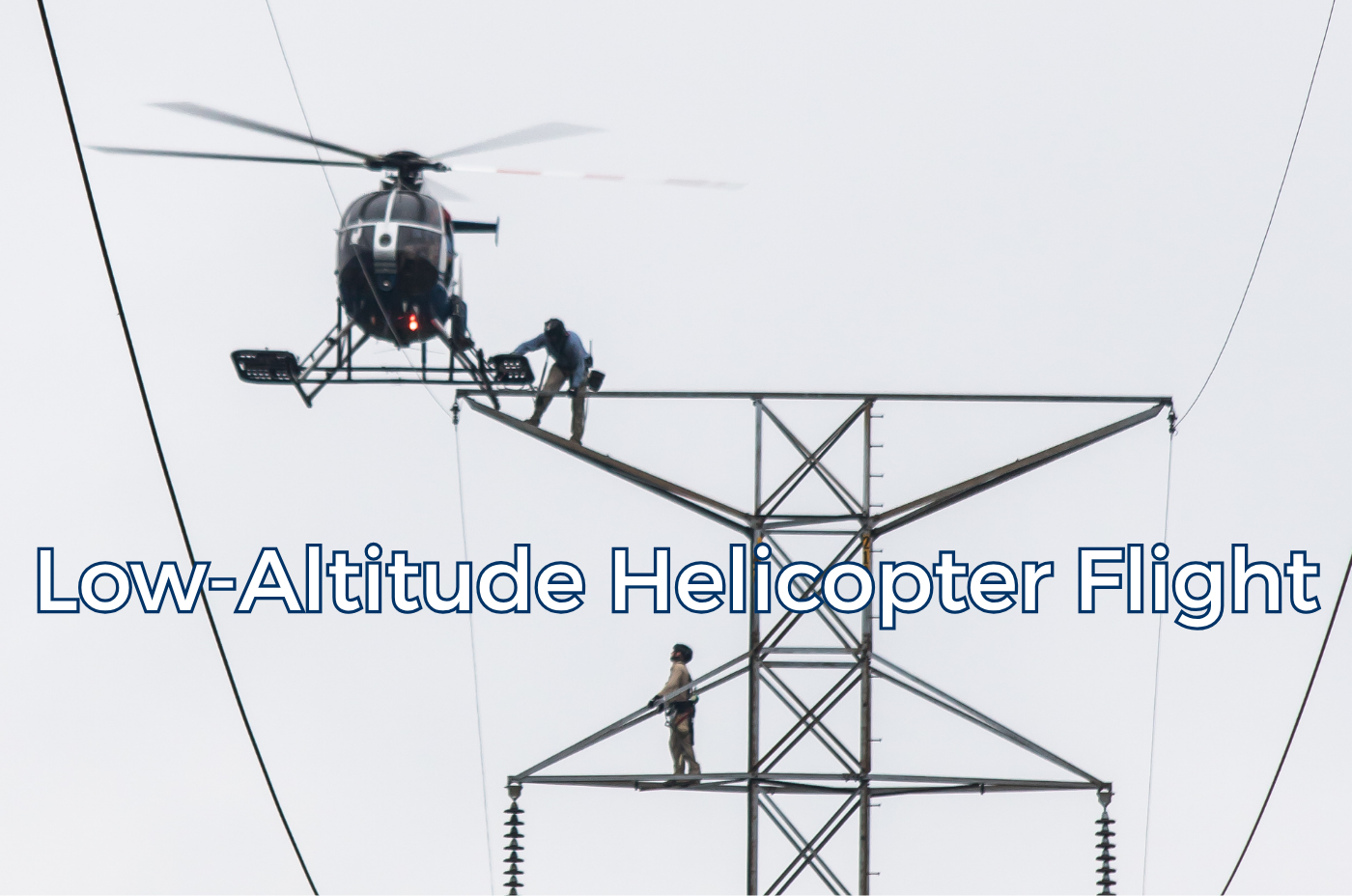
Helicopters can operate in places that are inaccessible to many other aircraft. Their ability to hover, maneuver at low speeds and fly close to the ground makes them useful for many situations, including emergency medical transportation, law enforcement, utility work and agriculture.
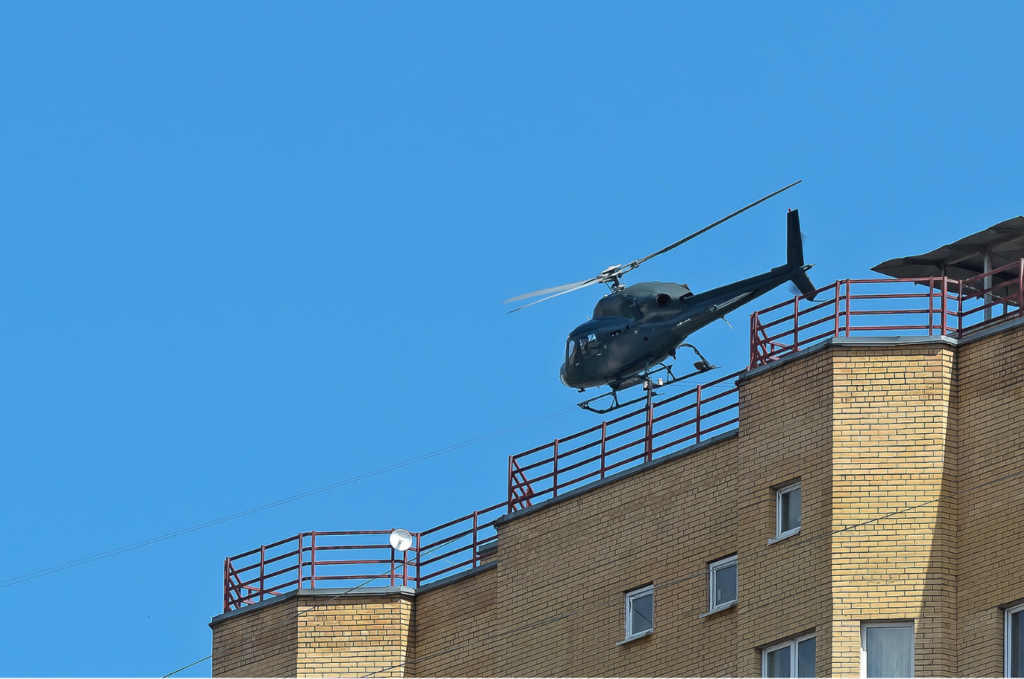
Those capabilities can also expose helicopters to hazards that are less common at higher altitudes. Power lines, towers, trees, terrain and other obstacles can become serious collision risks during low-altitude flight. Flying closer to the ground can also give a pilot less time to recognize and respond to an unexpected obstacle, mechanical problem or changing flight condition.
The Federal Aviation Administration (FAA) identifies striking objects during low-altitude operations as a leading cause of helicopter accidents. Examining current helicopter accident rates and the hazards associated with low-altitude operations can help explain why these flights carry unique risks.
What Is Considered Low-Altitude Helicopter Flight?
Low-altitude helicopter operations can still take place at various heights. How close a helicopter operates to the ground can depend on its mission, location, applicable regulations and surrounding obstacles.
Some helicopter operations intentionally require aircraft to remain relatively close to the surface. These can include:
- Agricultural operations
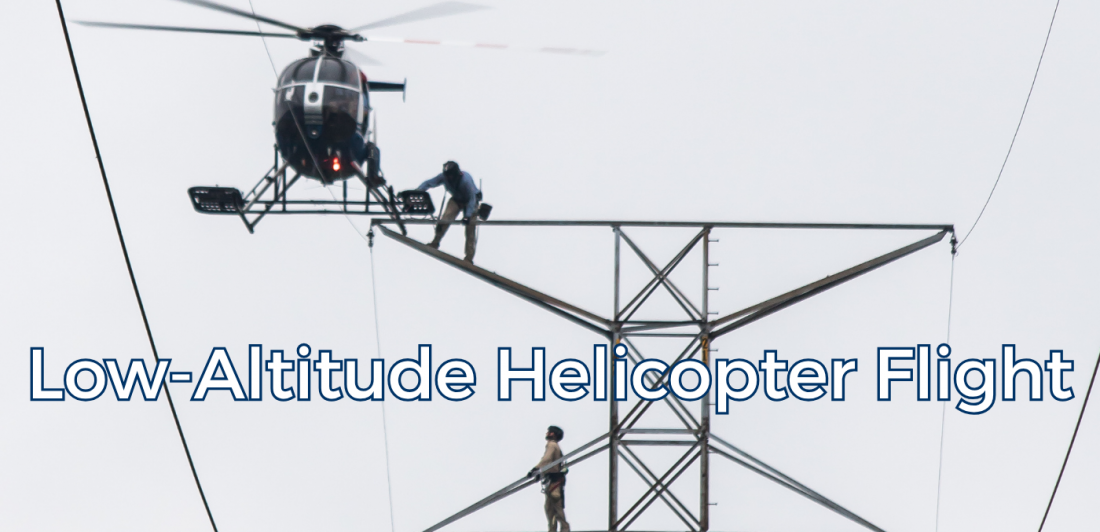
- Utility and power-line work
- Law enforcement
- Search and rescue
- Emergency medical services
- Aerial surveying
- Construction
- Some military operations
The FAA defines the low-altitude operations accident threat category as collisions or near collisions with obstacles, objects or terrain while an aircraft is intentionally operating near the surface. This excludes takeoff and landing.
Flying at lower altitudes is not inherently unsafe or negligent, but operating close to the surface can reduce the margin for error when something goes wrong.
Why Wires and Power Lines Are Dangers at Low Altitudes
Wires are among the most difficult obstacles for pilots to see during low-altitude flights. Power lines, communication cables and guy wires can blend into the surrounding terrain or sky. Their visibility can also change depending on lighting, weather, viewing angle and background.
Some obstacles may not be marked or shown on aviation charts. The FAA warns that at and below 200 feet above ground level, pilots can encounter power lines, antenna towers and other obstacles that are unmarked, unlighted or uncharted.
Even when a pilot sees a utility pole or tower, the wires connected to it may be much more difficult to identify. Wire strikes can cause severe damage to a helicopter's rotor system, windshield, flight controls or other components. Depending on the altitude and circumstances, a pilot may have very little time to recover after impact.
Does Low-Altitude Flight Give Pilots Less Time to React?
At higher altitudes, a pilot may have more time and distance to respond to certain mechanical failures, changing weather conditions or unexpected obstacles. Close to the ground, that margin can become much smaller.
Altitude can provide pilots with additional time to recognize a problem and determine how to respond. During low-altitude operations, obstacles and terrain can also limit available escape paths, making quick recognition and decision-making particularly important.
How Can Trees, Towers and Terrain Cause Helicopter Accidents?
Power lines are not the only obstacles that can threaten helicopters operating at low altitude. Pilots may also have to account for:
- Trees and branches
- Towers and guy wires
- Buildings, cranes and bridges
- Ridgelines and uneven terrain
- Temporary construction equipment
- Other aircraft
Some obstacles can be harder than others to identify from the air. FAA guidance notes that guy wires supporting antenna towers may be difficult to see even in good weather and can become nearly invisible at dusk or during reduced visibility.
Temporary or newly constructed obstacles can create additional challenges because they may not appear on charts or other information available to pilots.
Speed and Visibility Can Reduce Reaction Time
The combination of low altitude and speed can significantly reduce the amount of time available for a pilot to recognize a hazard and avoid it. Visibility can further complicate that problem. Haze, darkness, fog, precipitation and changing light conditions can make terrain or obstacles more difficult to identify.
The background behind an object can also affect whether a pilot notices it. A wire that is visible against a bright sky, for example, may become difficult to distinguish when viewed against trees, buildings or terrain.
Pilots must divide their attention among aircraft control, navigation, communication, instruments and the environment outside the helicopter. During specialized operations, additional mission-related tasks can increase the workload.
Weather Hazards During Low-Level Helicopter Operations
Weather can affect helicopter operations at any altitude, but flying near terrain and obstacles can leave fewer options when conditions deteriorate. Reduced visibility can make terrain, wires and other obstacles harder to see.
Wind can also change around buildings, mountains, trees and other terrain features. Another concern is inadvertent entry into instrument meteorological conditions (IMC). This can occur when a pilot operating under visual flight conditions unexpectedly encounters weather that requires them to rely on instruments.
The FAA identifies low-altitude object strikes and unintended flight into instrument meteorological conditions among major causes of fatal helicopter accidents.
What Happens if a Helicopter Loses Power at Low Altitude?
Helicopters can use autorotation to descend after certain power failures. During autorotation, airflow through the rotor system allows the rotor blades to continue turning as the helicopter descends.
However, successful autorotation requires sufficient conditions for the pilot to recognize the problem, establish the maneuver and prepare for landing.
The FAA's height-velocity guidance identifies combinations of altitude and airspeed that pilots should generally avoid because a power or driveline failure may not leave enough time or altitude to complete an autorotative landing without damage.
That does not mean every low-altitude power failure will result in a crash. The outcome depends on factors including altitude, airspeed, aircraft design, terrain and pilot response.
Can Technology Reduce the Risk of Low-Altitude Helicopter Accidents?
Technology can help pilots identify or mitigate some low-altitude hazards, but it cannot eliminate every risk. Depending on the aircraft and operation, safety equipment can include:
- Terrain awareness systems
- Moving-map displays and obstacle databases
- Night vision equipment
- Radar altimeters
- Wire strike protection systems
- Flight data monitoring systems
Wire strike protection systems, for example, are designed to help cut certain wires that contact portions of the helicopter. However, wire strike protection systems cannot eliminate the risks associated with low-altitude obstacles.
The FAA and U.S. Helicopter Safety Team continue to identify obstacle avoidance, training and emerging protection technologies as areas for improving the safety of low-altitude helicopter operations.
What Can Investigators Examine After a Low-Altitude Helicopter Crash?
A collision with an obstacle does not necessarily explain why an accident occurred. Investigators may need to determine why the helicopter was operating at a particular altitude, whether the obstacle was visible, what information was available to the pilot and whether other factors contributed to the crash.
An investigation may examine factors such as:
- Flight path and altitude
- Pilot actions, training and experience
- Aircraft speed
- Weather, visibility and known obstacles
- Aviation charts and notices
- Aircraft systems and maintenance records
- Flight data
- Operator procedures
Understanding how helicopter crashes are investigated can help explain how investigators use physical evidence, aircraft records and flight information to determine what happened.
Who Could Be Responsible for a Low-Altitude Helicopter Crash?
Low-altitude flight by itself does not establish negligence. Determining responsibility may require an evaluation of why the accident occurred and whether a person or company failed to take reasonable safety precautions under the circumstances.
Depending on the evidence, potential responsibility could involve one or more parties, including a helicopter operator, pilot, employer, maintenance provider, aircraft or component manufacturer.
For example, a crash involving pilot decision-making can raise different liability questions than one caused by a defective aircraft component or negligent maintenance. Understanding who may be liable after a helicopter crash requires evaluating the specific facts surrounding the accident.
Speak With a Helicopter Crash Lawyer
Low-altitude helicopter operations can involve hazards ranging from wires and terrain to weather conditions and limited reaction time. When an accident occurs, identifying the immediate hazard may only be the beginning of determining why the helicopter crashed.
The Carlson Law Firm represents individuals and families harmed by negligence and defective products. If you or a loved one was injured in a helicopter accident, speaking with an attorney can help you understand the circumstances surrounding the crash, who may be responsible and what legal options may be available.