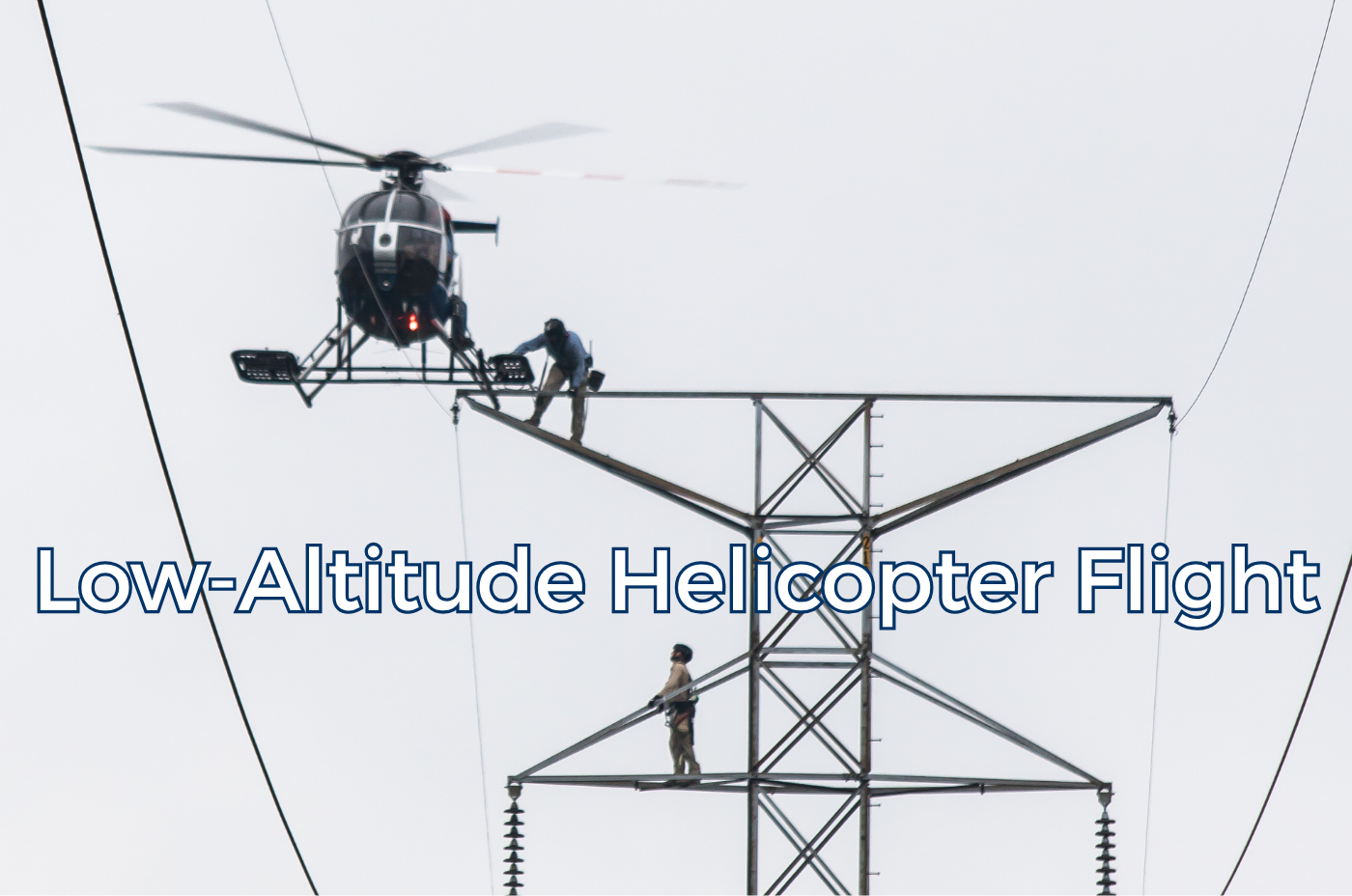
Helicopter Accident Rates Have Declined, but Serious Crashes Still Occur
Helicopters are used every day for many purposes, from medical transportation and tourism to law enforcement and military operations. Helicopter crashes can draw attention because of the potential for serious injuries or fatalities, but they represent a small fraction of helicopter operations in the United States.
According to the U.S. Helicopter Safety Team (USHST), U.S. helicopters fly approximately 3 million hours each year. In 2024, there were fewer than 100 helicopter accidents involving U.S.-registered helicopters operating in the United States and its territories.
Understanding how frequently helicopters crash is about more than just the total number of accidents. Flight hours, types of helicopter operations and whether accidents resulted in fatalities can provide a clearer picture of helicopter safety.
How Many Helicopter Crashes Happen Each Year?
The number of helicopter accidents can vary each year. Data from USHST shows there were 96 helicopter accidents in fiscal year 2025, including 20 fatal accidents and 41 fatalities. The organization reported an overall accident rate of approximately 3.18 accidents per 100,000 flight hours during that period.
That means the number of crashes does not provide the full picture. Accident rates account for how much helicopters are actually being flown, which can help with year-to-year comparisons.
According to the Federal Aviation Administration, the 2024 U.S. helicopter industry recorded its lowest overall and fatal accident rates in 25 years. The rates were 3.05 and 0.45 per 100,000 flight hours, respectively.
Are Helicopter Crashes Becoming Less Common?
Long-term data indicates helicopter safety has improved. The FAA reported in 2026 that fatal helicopter accidents have declined by more than 35% since 2013, when the U.S. Helicopter Safety Team was formed.
The organization brings together government and aviation industry representatives to identify accident risks and develop strategies intended to reduce them. The improvement does not mean helicopter crashes have been eliminated.
Accident numbers can change from one year to another, and certain types of helicopter operations can face different risks. However, examining long-term accident rates provides more context than focusing on an individual crash or a single year's accident total.
Why Is the Accident Rate Measured by Flight Hours?
Aviation safety statistics frequently measure accidents per 100,000 flight hours because the number of aircraft operating and the amount they are flown can change over time. Using flight hours allows safety organizations to evaluate how often accidents occur relative to the amount of flying taking place.
For example, 90 accidents during a year would represent a different level of exposure depending on the amount of flight activity. The FAA's Rotorcraft Accident Dashboard tracks metrics including:
- Accident rates per 100,000 flight hours
- Fatal accident rates
- Accidents involving different sectors of the helicopter industry
The dashboard uses accident information from the National Transportation Safety Board (NTSB) and preliminary accident reports received by the FAA.
Do Some Types of Helicopter Operations Have Different Accident Rates?
Yes. Helicopters perform a wide range of missions, and the operating environment can be very different between them. Helicopter operations can include:
- Personal and private flights
- Air tours and sightseeing
- Emergency medical transportation
- Aerial application
- Construction and utility work
- Offshore transportation
- Law enforcement and public-use operations
- Flight training
For example, FAA data for helicopter air ambulance operations showed 11 reported accidents during 2025 among reporting certificate holders, including three fatal accidents. The overall accident rate for those operations was approximately 2.09 accidents per 100,000 flight hours.
Because operating conditions differ, comparing one type of helicopter aviation directly with another may not provide an accurate picture of the risks involved.
What Causes Helicopter Crashes?
There is no single cause responsible for helicopter accidents. Investigations may identify one contributing factor or a combination of circumstances that resulted in a crash. Potential factors can involve:
- Pilot decision-making or error
- Loss of control
- Weather conditions
- Mechanical or component failures
- Maintenance problems
- Low-altitude obstacles
- In-flight emergencies
- Terrain
Recent safety data illustrates why the circumstances of each accident matter. FAA information examining fatal U.S. helicopter accidents from 2021 through 2025 identified low-altitude object strikes as the most common factor among the accidents included in that study.
Unintended flight into instrument meteorological conditions and loss of control in flight were also among the leading categories. The cause of an individual helicopter crash cannot be determined from statistics alone, though. Investigators must examine the aircraft, flight and circumstances surrounding the accident.
How Are Helicopter Crash Statistics Tracked?
Several organizations collect and analyze aviation accident information. The NTSBmaintains a Civil Aviation Accident Dashboard covering U.S. civil aviation accidents. Users can examine accident information by factors such as year, aircraft category, phase of flight and findings from NTSB investigations.
The FAA also tracks rotorcraft accident trends, while the USHST analyzes helicopter-specific safety data and works to identify opportunities to reduce fatal accidents.
Statistics from different organizations may not always be identical because datasets can use different criteria. For example, FAA and USHST reports may differ slightly depending on the operations included, reporting period and when preliminary data was updated.
Are All Helicopter Crashes Fatal?
No. A helicopter accident does not necessarily result in a fatality. Of the 89 accidents reported by the USHST in 2024, only 13 were fatal.
The severity of an accident can depend on factors such as speed, altitude, terrain, the aircraft involved and the forces experienced during impact. When a helicopter crash results in a fatality, certain surviving family members may have the right to pursue a wrongful death claim depending on the circumstances.
Even a nonfatal helicopter crash can result in serious injuries, though, including traumatic brain injuries, spinal cord injuries, burns, fractures and other long-term medical conditions.
Why Does the Cause of a Helicopter Crash Matter?
Accident statistics can show how frequently crashes occur, but they cannot determine who was responsible for a particular accident. That requires investigating the specific crash. Investigators may examine several factors to determine what caused or contributed to an accident, such as:
- Pilot actions
- Weather
- Maintenance records
- Aircraft components
- Flight data
The cause can also affect potential civil liability. Depending on the evidence, a helicopter accident can involve one or more parties, including an operator, aircraft owner, manufacturer, employer, or a maintenance provider.
When a defective helicopter or component contributed to a crash, for example, the circumstances could raise questions involving product liability. Improper maintenance or unsafe operation could lead to different liability issues.
Frequently Asked Questions About Helicopter Crashes
How many helicopter crashes happen in the United States each year?
The number varies from year to year. U.S. Helicopter Safety Team data recorded 89 accidents involving qualifying U.S. helicopter operations during calendar year 2024. Separately, USHST reported 96 accidents during fiscal year 2025. Accident rates are often more useful than raw totals because they account for the amount of helicopter flight activity.
How often are helicopter crashes fatal?
Fatal accidents are less common among helicopter accidents. During fiscal year 2025, USHST recorded 20 fatal accidents out of 96 total accidents.
Are helicopter crashes becoming less common?
Long-term trends reflect broader changes in aviation safety over the decades. The FAA reported that fatal helicopter accidents had declined by more than 35% since 2013 and that 2024 produced the lowest overall and fatal accident rates in 25 years.
Who investigates helicopter crashes?
The NTSB investigates civil aviation accidents in the United States. The FAA and other agencies can also have roles depending on the aircraft and circumstances involved.
Speak With a Helicopter Crash Lawyer
Helicopter accident rates have declined over time, but serious and fatal crashes still occur. When they do, determining why the aircraft crashed can be essential to understanding whether another person or company may be responsible.
The Carlson Law Firm represents individuals and families harmed by negligence and defective products. If you or a loved one was injured in a helicopter crash, speaking with an attorney can help you understand the circumstances surrounding the accident, who may be responsible and what legal options may be available.