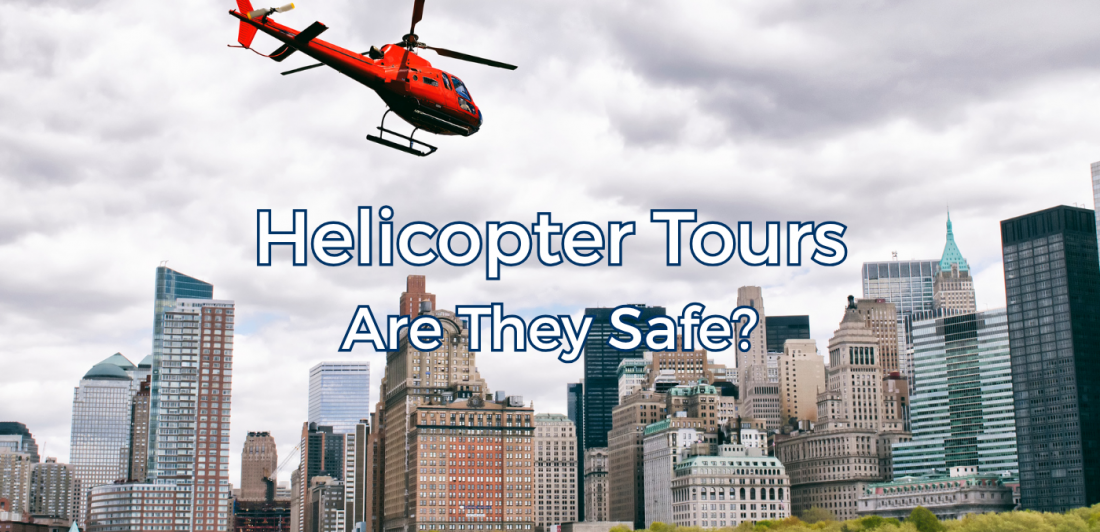
Helicopter tours offer a view of a city that most people will never experience from the ground. From skylines and landmarks to coastlines and other attractions, there are sightseeing flights in cities and tourist destinations across the United States.
Riding in a helicopter is different from boarding a commercial airliner, though, and passengers may wonder how safe these tours are. Commercial helicopter tours are subject to federal aviation safety requirements, but no form of air travel is without risk.
Weather, pilot decisions, aircraft maintenance, terrain and the environment where a tour operates can all affect the safety of a flight. Understanding those risks and knowing what to look for when choosing a helicopter tour operator can help passengers make decisions before flying.
How Are Helicopter Tours Regulated?
The Federal Aviation Administration (FAA) regulates commercial air tour operations in the United States. Part 136 of federal aviation regulations establishes safety standards for commercial air tours, while additional requirements may apply depending on how an operator conducts its flights.
Federal rules and FAA guidance address areas like pilot qualifications, aircraft operations and passenger safety. Some air tour operations are also subject to location-specific requirements. Regulation can reduce risk, but compliance alone does not mean an accident cannot occur.
For example, commercial air tours over certain national parks are governed by Air Tour Management Plans developed by the FAA and National Park Service. Other destinations may have additional requirements designed around the particular hazards when flying in that environment.
What Can Make a City Helicopter Tour Dangerous?
The risks involved in a helicopter tour depend partly on where and how the aircraft is being operated. A sightseeing flight around a major city can involve a different combination of hazards than a flight through mountains or along a coast. Several factors can affect helicopter tour safety.
Weather and Visibility
Weather can change quickly and create dangerous conditions for helicopter pilots. Factors that may make it more difficult to maintain visual reference with the ground or surrounding terrain include:
- Low clouds
- Fog
- Rain
- Reduced visibility
Weather has been a serious issue in previous air tour accidents. In its investigation of a fatal 2019 helicopter tour crash in Hawaii, the National Transportation Safety Board (NTSB) found that deteriorating weather affected the tour route.
Other tour pilots diverted because of the conditions, while the accident helicopter continued before encountering instrument meteorological conditions (IMC) and colliding with terrain.
Low-Altitude Flight
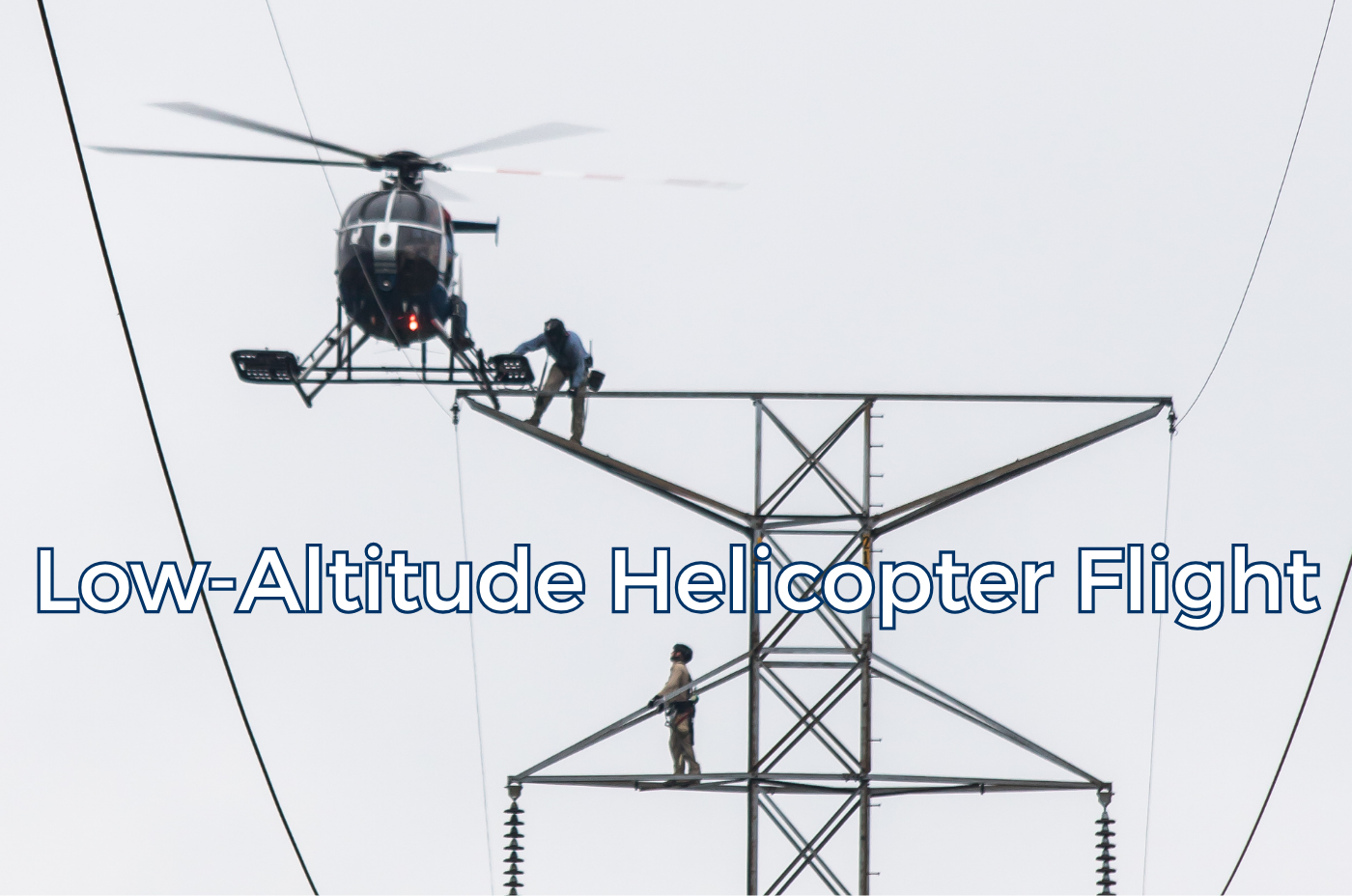
One of the attractions of a helicopter tour is the ability to see landmarks and scenery from relatively close range. However, operating at lower altitudes can leave pilots with less time and distance to respond when something goes wrong. The tour route may encounter buildings, towers, power lines, terrain and other obstacles.
Congested Airspace
City tours can operate near airports, established helicopter routes and areas with significant aircraft traffic. Safe operation in these environments depends on factors that can include:
- Air traffic procedures
- Communication
- Route design
- Pilots staying aware of other aircraft
Pilot Decision-Making
Technology and aircraft condition are only part of aviation safety. Decisions made before and during a flight can be equally important. Pilots may need to decide if changing weather requires altering a route, delaying a flight or canceling it altogether.
NTSB investigations of previous air tour crashes have examined pilot decision-making and the influence that operational practices can have on those decisions.
Aircraft Maintenance and Mechanical Problems
Helicopters are complex machines with many components that must be properly inspected and maintained.
While mechanical failures are not responsible for every helicopter accident, maintenance records, inspection practices and the condition of critical components can be important to accident investigations when equipment failure is suspected.
Are Helicopter Tours More Dangerous Than Commercial Airliners?
Passengers should be careful when comparing sightseeing helicopter flights directly with scheduled airline travel. The aircraft, operating environments, flight profiles and regulatory structures can be very different.
A city helicopter tour may spend most of its flight at relatively low altitude and operate along routes that bear little resemblance to a commercial airline flight between major airports. That does not mean every helicopter tour is unsafe, though.
Airline safety statistics do not necessarily tell a passenger much about the risks associated with a particular sightseeing operation. Understanding how often helicopters crash and what to look for before choosing a tour can help to decide if the risks are acceptable.
What Should You Look for Before Booking a Helicopter Tour?
Passengers do not have access to every piece of information that determines whether a flight will be safe, but there are still questions worth asking before choosing an operator. Consider looking into:
- The operator's safety history and experience
- Whether the company clearly explains its safety procedures
- What type of helicopter will be used
- How the company handles poor or changing weather
- Whether passengers receive a safety briefing before departure
- Whether the operator is willing to delay or cancel flights when conditions are unfavorable
- What safety equipment is available aboard the aircraft
Passengers should also pay attention to the safety briefing. FAA guidance for passenger-carrying operations addresses information that may be provided about restraints, emergency procedures and other safety considerations.
A tour company should make safety procedures easy to understand instead of treating them as an inconvenience before the sightseeing begins.
Can You Check a Helicopter Tour Company's Safety Record?
Passengers can research an operator before booking rather than relying entirely on reviews or advertising. The FAA provides tools for searching certificated air operators, while the NTSB maintains records of aviation accident investigations.
Depending on the type of operation, passengers may be able to verify an operator's authorization and find information about aircraft used for passenger-carrying flights.
An accident in a company's history does not by itself establish that the operator is currently unsafe. Likewise, the absence of a readily identifiable accident does not guarantee that a future flight will be safe.
Instead, safety history can be one piece of information passengers consider with an operator's experience, policies and approach to weather and flight safety.
What Happens When a Tour Helicopter Crashes?
Helicopter accidents can involve multiple contributing factors. To determine what happened, helicopter accident investigations may examine the:
- Aircraft
- Maintenance records
- Weather
- Pilot actions
- Flight path
- Communications
The NTSB investigates civil aviation accidents and determines probable causes, while the FAA has regulatory and oversight responsibilities for aviation safety. A crash also does not automatically mean the tour company or pilot was negligent.
Determining legal responsibility may require a separate investigation into the circumstances surrounding the accident and the conduct of the parties involved. Depending on the evidence, potential responsibility could involve an operator, aircraft owner, maintenance provider, manufacturer or another party.
Understanding Your Options After a Helicopter Tour Accident
For most passengers, a helicopter tour ends with photographs and a memorable view of the city. However, serious helicopter crashes can cause catastrophic or fatal injuries.
Understanding why an accident occurred may require reviewing technical evidence, aviation investigation findings and the actions of the companies and individuals involved.
Speaking with an attorney at The Carlson Law Firm can help individuals and families understand what may have caused a helicopter accident, who may be responsible and what legal options may be available.